Kia Recall Could Affect Bay Area Drivers

January 31, 2012 by Gregory J. Brod

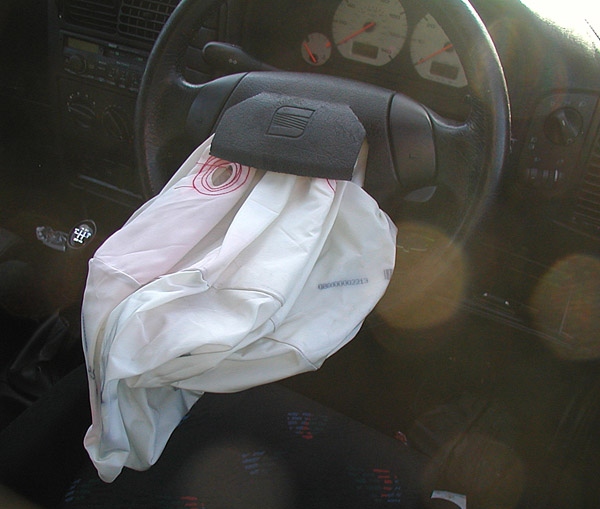
111147_steering_wheel.jpg On January 13, 2012, the National Highway and Traffic Safety Administration announced that KIA Motors America, Inc. noticed a recall on Kia Optima sedans manufactured from September 29, 2005 through January 29, 2008. In addition the company is recalling Kia Rondo vehicles manufactured from September 13, 2006 through March 21, 2008. Both models were manufactured with an air bag clock spring that may become damaged over time. Over 145,000 vehicles are potentially affected by the recall, which starts in March 2012.

An air bag clock spring is named for its coiled shape. It provides an electrical connection between the airbag and the controlling computer. The clock spring sits inside the steering column along side the horn and cruise control. Its coiled shape allows the wiring to make a connection without blocking the steering wheel’s functionality. If the clock spring becomes too worn it will develop a high resistance to electrical current, which could block the signal that activates the air bag. In this case, the driver’s side air bag may not deploy in an emergency situation. If the horn or cruise control on a car is not functioning properly, it is a sign that the clock spring may be damaged and the air bag may also be non-functional.

Kia vehicles owners experienced a flurry of recalls in 2011.The Kia Spectra was recalled in April, 2011 because corroded straps supporting the fuel tank could allow the tank fall to the level of the road. In May, the Kia Sorrento and Kia Soul were recalled for faulty interior lighting which could potentially cause a fire. The Kia Sorrento was also recalled for a second reason- it was susceptible to transmission failure due to a misaligned drive shaft.

A search of customer complaints submitted to the National Highway and Traffic Safety Administration reveals that in addition to the problem with the driver’s side airbag, many consumers submitted complaints about faulty passenger side airbags for multiple Kia models manufactured in 2006-2008. The chief complaint was that the passenger side airbag would not register as active although the car was carrying someone in the passenger seat.

California upholds strict liability for product defects. Therefore, even if a car company took reasonable safety measures to prevent manufacturing defects, it will still be liable for damages caused by any defective products were available to consumers. The California Civil Jury Instructions require 5 factors in order to find that a company is liable for a defective product.

The defendant must have manufactured, distributed, or sold the product. The product must have already contained the defect when it left the company’s possession. Moreover, the plaintiff must be actually harmed by using the product in a way that was foreseeable to the defendant. Finally, the product must be a substantial factor in causing the harm.

Continue reading "Kia Recall Could Affect Bay Area Drivers" »

Ensuring Toys and Other Products are Safe for Our Children

December 26, 2011 by Gregory J. Brod

Whatever holidays you celebrate, we hope the current season is bringing great joy, the presence of loved ones, and many delicious meals. Children seem to believe there is no greater joy than unwrapping a present with the mix of anticipation, the tearing action as the paper rips, and then the moment when the spot the much-desired prize. To a child, this is pure bliss. A few decades later, however, the true meaning of happiness emerges as the very same scene is viewed from a parent’s eyes. There is truly no greater pleasure than watching a child’s face light up with surprise and joy.

gift.png
We hope all the children in your lives were thrilled by the presents that come with Christmas, Hanukah, Kwanza, and other late-in-the-year celebrations. These presents should be the source of smiles and many hours of joy, ideally bringing the family together for an added bit of enjoyment. While we do not wish to set a gray cloud on such happy times, we do want to remind parents to always exercise caution. As San Francisco products liability lawyers, we know that children’s products (toys, foods, cribs, clothing, etc) are a common culprit in product-related injuries. When a client approaches us after a child has been harmed in a product-related injury in Northern California, we can help ensure the companies that made and marketed the item are held responsible for their failures.

One danger that makes the news every few months is lead in toys. Lead can be found in either plastic or paint and children are especially vulnerable because their natural tendency is to put objects, and their fingers, in their mouths. Additionally, the developing brain makes children under six particularly vulnerable to the ill effects of lead exposure. There are standards that companies must follow to limit lead, especially in items intended for kids, but it can still be lurking. Older toys and imported items, including those sold at discount “dollar stores,” are particularly dangerous. Lead poisoning often has no immediate symptoms, but over time it can impact a developing brain as well as the nervous system, red blood cells, and heart. Thankfully, heavy enforcement and education has resulted in improvements and the Center for Disease Control reports a significant drop in the percentage of tested children who had elevated lead levels between 1997 and 2008 from 7.61% to 0.83%. California has many state-specific programs aimed at reducing lead exposure. Testing of children’s lead exposure levels, is often recommended and is required at age one and two for children on public health programs.

Child-centered risks for dangerous products are not, of course, limited to lead. In another frightening case, baby formula is a suspected culprit in an infant death. Walmart has pulled Enfamil powdered baby formula after a newborn in Tennessee died after ingesting the formula. The connection has not been proven, but the product is being removed as a precaution.

We should be able to trust that the products we purchase are safe. This should be particularly true when it comes to products made specifically for children. Consumer awareness and education can be the first line of defense. However, if your child (or you) suffers injury due to an unsafe product in San Francisco, Oakland, Sacramento or the surrounding regions, it is vital that you seek legal help. The law is harsh and often a strict liability rule applies meaning that companies are automatically liable if a product is proven to be inherently dangerous. While the law is often clear, representation is still important. Bringing suit not only allows you to recover the funds to cover medical bills and other losses but also serves a very important public service by sending a message that we will not tolerate dangerous products in San Francisco and the Northern California region. The lawsuit is not only for you, it is for all the innocent consumers in our region who will benefit from telling companies that unsafe products will not be tolerated. As always, a consultation with our San ancisco unsafe products attorney is free and many cases are handled on a contingency fee basis so there is no fee unless you recover for your harm.

See Related Blog Posts:
Oakland-San Francisco Personal Injury Attorney Comments on Toxic Baby Products
Oakland-San Francisco Attorney Comments on FDA Warning

Raw Milk Recall Lifted But Caution Still Key to Prevent Food Related Illnesses

December 19, 2011 by Gregory J. Brod

The move towards natural foods can be a healthy shift away from processed foods and the over-reliance on fast food that can lead to expanding waistlines and increased health risks. However, sometimes foods marketed as natural carry their own hidden dangers. As San Francisco products liability lawyers, the Brod Law Firm team urges the public to use caution when purchasing food for their family. Likewise, we urge residents harmed by dangerous food products to seek legal recourse and hold companies responsible for selling unsafe food in Northern California.
er.png

As reported in the San Francisco Chronicle, California has just lifted a ban that resulted from concerns about unsafe food products. The ban was issued after five children in our state became ill after drinking raw milk produced by Organic Pastures in Fresno. All of the children were found to have the same strain of E. Coli. Three of the young people were hospitalized with hemolytic uremic syndrome, a dangerous illness that can lead to kidney failure. Although investigators did not find the bacteria in samples of the milk, it was deemed the likely source since all five children had consumed the dairy’s raw milk in the period before they fell ill. The state shut down production at the dairy temporarily and recalled Organic Pastures products. At the time of the Chronicle’s report, the dairy had passed necessary inspections and was allowed to resume production of all products with the exception of raw colostrum. Investigators have continued to quarantine the final product out of concern that it may carry dangerous bacteria.

There is a lot of controversy over raw milk products. Proponents believe that raw milk contains more nutrients than the more common pasteurized variety and also that the pasteurization process kills “good” bacteria that can have health benefits including the potential prevention of asthma and other health woes. However, others warn that raw milk can contain harmful bacteria including E. coli, salmonella, and listeria. Worldwide, some countries have total bans on raw milk while others permit the drink, particularly when it is bought directly from the farm. In the United States, federal law prohibits the sale of raw milk across state lines. Other regulation varies by state with about half of states prohibiting its sale for human consumption. California does permit licensed facilities to sell unpasteurized milk. Two facilities appear to have obtained such licenses and additional sales occur directly at some farms.

We do not wish to take a stand on the raw milk debate. We do, however, urge residents to take care in making their informed choices when it comes to feeding their families. The Center for Disease Control estimates that 1 in 6 Americans will become ill from tainted foods each year. While not every food-related illness is cause for legal action, products liability laws can apply when tainted food causes serious illness. Food producers and sellers owe a duty of care to the public and consumers should hold them accountable when they fail to uphold this responsibility.

If you become seriously ill due to contaminated food, please contact the San Francisco tainted food attorney at the Brod Law Firm. You may be entitled to damages for your illness and bringing a lawsuit warns business owners that the sale of contaminated food in San Francisco and throughout Northern California will not be tolerated.

See Related Blog Posts:
Contaminated Turkey Sold to Consumers in the San Francisco Bay Area
Oakland-San Francisco Attorney Comments on FDA Warning

Legal Perspective on Property-Related Accidents

December 11, 2011 by Gregory J. Brod

According a report in The Oakland Tribune, a poorly constructed chimney was the likely cause of a fire in West Oakland that left at least three residents unable to return to their homes. A home fire is tragic at any time but is especially difficult to imagine as the holidays approach. As your Oakland property damage lawyers, the Brod Law Firm believes in helping residents recover after such an untimely event.
firetruck.png

The fire sparked in the early morning hours of Tuesday December 6 in a West Oakland duplex. The home, a Victorian-style two-story located at 30th and Chestnut, had recently been remodeled with an apartment on each floor. In addition to displacing three residents, the fire caused at least $30,000 in damages. According to the reports, the fire was caused by faulty chimney construction. The chimney had been built without a flue and the fire started after the upper-level residents used the fireplace in their unit. The embers from the fireplace were unable to exit and sparked a fire in the attic that then spread to the roof. Luckily, no one was injured and a team of twenty firefighters were able to control and extinguish the flames.

Every accident has its own story. Part of the reason you should always seek out an Oakland accident attorney when you suffer a physical injury or economic loss due to someone else’s wrongdoing is to be sure you explore the full range of legal claims. Thankfully no injury occurred in the West Oakland fire, but the Brod Law Firm notes several different claims that might arise from a property-related accident, especially one that does result in physical injury. A lawsuit might include claims based on:

Construction Defects – California law includes specific provisions addressing standards for construction. Construction defects claims can allow a victim to recover repair costs as well as for losses directly resulting from the defect (like the costs of a temporary home in a case such as the fire should the chimney be proven defective).
Products Liability – Products liability claims arise when a defective product results in injury. Generally, a strict liability rule provides a victim can recover if they can prove a product defect was a substantial factor in the injury. Negligence claims can also arise in the products liability arena where a seller, manufacturer, installer, or other party failed to use reasonable care to prevent an injury stemming from the product.
Landlord/Tenant Claims – California law requires that landlords maintain rental properties in conditions suitable for occupancy. Landlords also have a duty to maintain the common areas in a property. Where a landlord does not fulfill these duties, they may be subject to a lawsuit for damages stemming from the failure.
Premises Liability –This body of law protects visitors to a property who are harmed by the property owner or occupier’s failure to make the area safe. If the chimney fire occurred in a business and a customer was harmed, a claim might exist under premises liability principles. These claims can also be made by renters against their landlords

These are just some of the legal principles the Oakland victim’s rights lawyer at the Brod Law Firm would explore with a potential client injured in a property accident. Legal claims can also exist for financial losses in similar cases, like those suffered by the displaced West Oakland residents. When you call our Oakland property accident law firm, you can arrange a free consultation in which our team will help you determine what legal claims might exist to help you recover damages for your losses. Together, we can work to help victims of a property accident receive the money the law allows and move forward after the incident.

See Related Blog Posts:
Reality TV Star Recovering from Falling In San Francisco Apartment Accident
Substandard Living Conditions In San Francisco Force The City To File A Lawsuit

Fracking Bill Could Lead to New Claims Against Oil and Gas Companies

August 17, 2011 by Gregory J. Brod

Currently in Califonia there is a debate about the environmental impact of Hydrolic Fracturing. Hydraulic fracturing, also called hydrolic fracking, is a natural gas drilling technique that involves pumping fracking fluid at high pressure into the earth to release gas deposits locked in underground rock formations, has long raised concerns about air and water pollution. Here in California, counties have limited authority over oil and gas operations. It is the state’s Division of Oil, Gas & Geothermal Resources serves as the industry’s main regulator. Yet, the division, which is part of the state Department of Conservation, does not have specific regulations for fracking, as it views it merely as one of several techniques for wrestling more oil and natural gas from the earth. It is Important that an investigation go into hydrolic fracking technology in order to find out the degree, if any, of environmental degradation and chemical pollution, and they types of injuries caused by inhalation of air or ingestion of water polluted with carcinogenic fracking fluid chemicals. The debate over this matter has residents living near wells are worried that fracking may contaminate their water.

One particular case comes to mind of well water contamination from fracking, one that occurred over 20 years ago in West Virginia and can be used to debunk the industry’s claims. According to the Environmental Working Group, the U.S. Environmental Protection agency has concluded, in a 1987, study that fracking of natural gas well in West Virginia had contaminated an underground drinking water source. It was determined that the fracking gel used to drill over 4,000 feet down had turned up a drinking water well nearby. In November of 2010, the EPA issued voluntary information request to nine leading national and regional hydraulic fracturing service providers. The data requested will play an important part in their Hydraulic Fracturing Study currently in the works. The study seeks information on the chemical composition of fluids used in the hydrolic fracturing process, data on the impacts of the chemicals on human health and the environment, standard operating procedures at hydraulic fracturing sites and the locations of site where fracturing has been conducted. Another effort currently underway to protect the environment is a regulation bill, written by Assemblymember Bob Wieckowski (D-Fremont). The bill would require oil companies to make public the chemicals used in each well, but not the exact proportion, which each company views as a trade secret and keeps their business competitive. We will be keeping our eyes peeled for any developments regarding the EPA’s findings and how oil companies respond to the bill when it takes effect. Negligence on the part oil companes could lead to a significant number of injury claims in California.

Continue reading "Fracking Bill Could Lead to New Claims Against Oil and Gas Companies" »

Contaminated Turkey Sold to Consumers in the San Francisco Bay Area

August 5, 2011 by Gregory J. Brod


Around 36 million pounds of ground turkey has been recalled due to it being linked to 77 incidents of salmonella poisoning and one death in Sacramento, according to sfexaminer.com. The meat in question is packaged under the name of Honeysuckle White-brand turkey products, Kroger ground turkey and Giant Eagle ground turkey and were sold at FoodsCo, Food 4 Less and Winco Foods . Consumers can be return the packages purchased for a full refund. As of Tuesday, six cases have been reported in California—one in San Francisco, one in Los Angeles, one in Riverside, one in San Diego, and two in Sacramento. The strand of bacteria linked to this outbreak is what is known as salmonella Heidelberg and is resistant to most prescribed antibiotics, according to the U.S. Centers for Disease Control and Prevention. An investigation is being handled by the USDA Food Safety and Inspection Service and the CDC. The USDA has warned consumers to fully cook their meat.

It is important to point out that growers, retailers, importers and/or distributors of food owe a duty of care to the consumer not to sell, import or distribute food that is unsafe for human consumption. As such, there exists an implied warranty for goods sold to the consumer. In the case of imported foods, importers must comply with all regulatory requirements surrounding the goods it intends to sell. Usually an importer must hire a customs broker to inspect food, as will the government, certifying that the food is safe and fit for human consumption, which may be the ultimate deciding factor for establishing if the standard of care had been met by the importer.

Advances in food production technology, such as the radio frequency identification tracking system, have allowed the producers of our food the ability to track each piece of produce from moment of harvest to truck to distribution center to retail store, a process that has made it easier than ever to contain and track contamination outbreaks. But these systems are not always a guarantee that contaminated food won’t, or can’t, slip past them and end up on our dinner tables. Food contamination isn’t always the result of a huge farming or harvesting mishaps, though, such as feces making contact with a crop, or an animal on the way to the slaughter, it can sometimes be the result of a farm or warehouse worker not washing their hands or a grocery store worker leaving perishable food out for too long before selling it to a customer.

Continue reading "Contaminated Turkey Sold to Consumers in the San Francisco Bay Area" »

The Complicated and Dangerous Side Effects of Prescription Drugs

July 12, 2011 by Gregory J. Brod

An Illinois woman has filed a lawsuit against AstraZeneca, accusing them of failing to provide adequate warnings about the risks associated with taking the drug. In the lawsuit she claims its prescription heartburn drugs—Prilosec and Nexium, also known as protein pump inhibitors—caused her to suffer multiple and painful fractures of her feet. In March of this year the U.S. Food and Drug Administration warned that prescription versions of these drugs were associated with increased risk of fractures, and, in May 2010, the agency announced it would be adding information about the potential fracture risk to the Nexium label. All this came on the heels of a review of several epidemiological studies which reported an increased risk of the wrist, spine and hip associated with the use of protein pump inhibitors.
After reading about the new lawsuit, two jury verdicts having to do with protein pump inhibitors come to mind, both of which involved wrongful death settlements whose parties remain anonymous for the purposes of confidentiality. The first case is medical malpractice case in which the plaintiff suffered from gastric problems, was diagnosed with different gastric disorders, and was prescribed Prilosec over 38 times when he actually had gastric cancer, and, according to the lawsuit, died because he had not been timely treated or diagnosed by doctors who were negligent in failing to order and perform the proper diagnostic test. The family was awarded over a million dollars. The other case involved a man who had cardiovascular issues and high cholesterol, was prescribed Prilosec, (as side note: in this particular case the reason he was prescribed Prilosec is unknown, as the case details remain confidential, but research suggests the drug may lower cholesterol levels by inhibiting the amounts of cholesterol-producing enzymes produced in the liver), and he then died after having an adverse reaction to the drug. The family received a half a million dollars.
With more and more people being prescribed protein pump inhibitors at an alarming, and perhaps even an indiscriminate, rate, it is no wonder there are not more lawsuits pending. The newness of such drugs poses a real problem for consumers because doctors and researchers really don’t know, and won’t know for a very long time, what the long term affects of these drugs will be. It is like patients are guinea pigs in a large experiment which, for the most part, seems to be out of control. The current studies and reports produce finding that are not concrete, nor are any of them final; they’re open ended and vague, and they’ve only just begun.


Continue reading "The Complicated and Dangerous Side Effects of Prescription Drugs" »

Oakland-San Francisco Attorney Comments on FDA Warning

June 16, 2011 by Gregory J. Brod

This week Kellogg Corporation was issued a warning letter by the Food and Drug Administration after the agency found some serious health violations—the pooling of water, wet insulation, and Listeria--at the Augusta, Georgia plant during their inspection back in February. The FDA said that out of all of the samples it took, 15 tested positive for the dangerous Listeria pathogen, 7 of which were taken from locations with direct food contact. The FDA’s warning letter did not state that food from Kellogg plant was contaminated, yet it did state that the positive Listeria testing pointed to unsanitary conditions and that those conditions could cause food contamination. The warning letter also states that FDA inspectors discovered over 100 flies at the plant and pointed out that Listeria was discovered along the production line that has direct contact with food. Kellogg has promised to remove pipes to control the dirpping problem and to use pressurized aerosol insecticide on the flies. The FDA will determine during its next inspection whether the remedies used by Kellogg are sufficient. The FDA said Kellogg had 15 working days following receipt of the letter to provide documentation outlining what it plans to do to correct the violations.

Sadly, this is not the first time Kellogg has faced such issues. The bakery in Augusta was found to have faulty ingredient storage practices after an inspection by the FDA in January of 2010. During the same year, Kellogg issued a massive recall of cereal due to an unusual waxy flavor and smell. Also, a recall was issued in 2009 for some Keebler cookies and Special K protein bars. It should be pointed out that eating food contaminated with bacterium listeria monocytogenes can cause a dangerous infection called listeriosis, according the Centers for Disease Control. Symptoms may include diarrhea and other gastrointestinal symptoms, such as fever, muscle aches, stiff neck, confusion and convulsions. It is estimated that 1,600 people become seriously ill with listeriosis each year and around 260 succumb to the infection.

If you or someone you love fell victim to an unsafe product, please contact our product liability attorney today. Our firm has over 10 years experience representing people who have been injured by dangerous and defective products throughout the San Francisco Bay Area. We understand the devastating effects a dangerous product can have on our clients lives and the lives of their families, and we will work on a contingency basis, meaning our clients pay no fees or costs unless a recovery is made.


San Francisco-Oakland Attorney Comments on Joining Class Actions via the Internet

June 10, 2011 by Gregory J. Brod

Many consumers are beginning to realize that they can tap into class action court settlements reached with manufacturers and service providers via the internet. This a good thing for consumers since judges usually require that as many people as possible are notified about a class action settlement. It is also a good thing for attorneys because now they can reach more witnesses than when their only method to do so was through mail and or print media. Because people use the internet as their primary source for finding information, the courts are beginning to realize that they could use the internet as the main way they send information to a class. Here at the Brod Law Firm, we are finding the internet can significantly improve our ability to notify class members that they may be entitled to a recovery in a settlement, and the internet is becoming the place consumers turn to for all class action settlements.

Class action lawsuits are a good way to keep businesses honest and help consumers find justice in the marketplace. No one likes being ripped off, even if the amount of money lost is a small amount. Consumers sometimes feel a small amount doesn’t justify legal action and/or is not worth fighting on their own. Consumer class action suits provide a means to deal with this type of situation, and they provide a sense of justice on behalf of the frustrated consumer. When that small amount is multiplied by all the people who have been ripped off, then there are thousands or millions of dollars that the company must pay back to all the members of the class, in addition to the company paying a penalty. Also, class actions draw public attention to instances when businesses have not treated the consumer fairly, and force those businesses to take responsibility. It is not fair when a company fails to deliver on a promise. If you have been wronged by a company, please contact our firm for a free consultation and share your case with us. We have over 10 years experience investigating wrongdoing and fighting for our clients in court.

San Francisco-Oakland Injury Attorney Comments on Sever Reactions to Over the Counter Drugs

June 7, 2011 by Gregory J. Brod

Last month, according to Bloomberg.com, a Philadelphia jury awarded $10 million to the family of a teenage girl who developed Stevens - Johnson syndrome after she took Children’s Motrin. According to the Mayo Clinic, Stevens Johnson Syndrome is a sever sensitivity reaction that can be caused by many drugs. Stevens-Johnson syndrome attacks the skin and mucous membranes. It can cause the top layer of the skin to separate from the lower layer of the skin in affected areas. The condition can even spread to internal organs, and it can cause scarring and even blindness. Sometimes the disorder can affect more than 30% of the body, when that happens the condition is usually referred to as toxic epidermal necrolysis (TEN), which typically requires treatment in hospital burn units. According to the Maya family lawsuit, Brianna was left blind in one eye and suffered burns over 84% of her body after taking Children’s Motrin in 2000 for a cold and fever. Her family argued that a warning for Steven Johnson Syndrome was not included on the medication’s labeling that year.

The jury in the case found that Johnson & Johnson’s McNeil Consumer Healthcare unit “was negligent for not providing a proper warning about Children’s Motrin’s risks and that failure was a factual cause of the girl’s injuries.” However, the jury did not agree with plaintiff’s claims that Motrin was defective, or that McNeil officials’ conduct warranted an award of punitive damages. Johnson & Johnson and McNeil added warning about “severe allergic reactions” which could present with “rashes and blisters” to over-the-counter ibuprofen products, but no specific mention of Stevens Johnson syndrome is made. Patent advocates say that the current drug allergy alert on labels of many over-the-counter ibuprofen medications don’t adequately warn users about the risk of Stevens Johnson Syndrome. Parents in cases involving these types of claims argue that manufacturers of over-the-counter ibuprofen products, especially those for children, should have adequate warning labels placed on their products, informing users to discontinue the drug if symptoms show.

If you have suffered injury or a loved one has died or been injured as the result of a defective drug, you may be able to recover damages. To find out if you have a claim, you should have our case evaluated by a qualified our experienced product liability attorney. Our firm can tell you if you have a case and how to go about filing a lawsuit. Pharmaceutical lawsuits are too complex for a consumer to handle alone, however, as pharmaceutical companies have enormous resources and an arsenal of high-power defense attorneys. Also, it is important to note that California has laws that set a time limit for filing different types of lawsuits, so we recommend you have your case evaluated as quickly as possible. We recommend you seek the aid of an attorney with experience in this type of litigation. Whether we settle out of court or have to go to trial, we will fight hard to get you the compensation you deserve.

Oakland-San Francisco Personal Injury Attorney Comments on Toxic Baby Products

May 20, 2011 by Gregory J. Brod

This week USA Today reported that toxins and chemical flame retardant have been cited in baby toys and children’s product recalls. According to the report, a new study reveals that a staggering 80 percent of all baby products contain flame retardants that are either toxic or untested. The new study, which was recently released in Environmental Science & Technology, shows that car seats, changing pads, and portable cribs were among the items tested, and that nursing pillows were also tested and found to contain chlorinated tris, a chemical never banned but was removed from children’s pajamas in the 1970s over cancer concerns. The Environmental Protection Agency has raised a moderate level concern over the chemical because of its links to cancer and issues with developmental and reproductive problems. Also, the U.S. Consumer Product Safety Commission spokesman said that tris may pose a significant health risk. In addition to tris, the flame retardant, TCEP, which was listed as a carcinogen by the state of California, was found in 10 of the nursing pillows.

Here at the Brod Law Firm, consumers should be able to trust the products they purchase are safe. The sad truth is, though, that consumers are frequently injured by common, everyday products. The list of products on the market that pose dangers is endless. Sadly the failure or these products cause significant injuries or death. If you or someone you love suffered an injury after using a defective product, you should keep the product and its packaging, as they are important in proving your case. In California a product liability suite can be based on strict liability. Strict Liability does not require proof of fault on behalf of the designer, manufacturer or seller. In a strict liability claim the injured party need only show that the products was defective, the defect existed prior to the manufacturer releasing the product, and the defect caused the victim’s damages. If you would like to know if you have a potential product liability case or if you have questions about product liability law, please contact our firm today.

Oakland-San Francisco Class Action Attorney Comments on Sony Class Action

May 9, 2011 by Gregory J. Brod

Sony has announced the credit card information of millions of users has been compromised--after its Sony Online Entertainment PC gaming service had been hacked and the PlayStation network service had been breached. And now consumers are banding together and filing class action suits against Sony. A law firm in Toronto is handling a class action lawsuit launched against Sony Entertainment and its associated companies. Natasha Maksimovic of Canada is leading the charge against a number of Sony subsidiaries all around the world, including Sony Japan, Sony USA, and Sony Canada, for the breach of privacy. She is seeking damages of over $1 billion, claiming the company must pay for credit monitoring services and fraud insurance coverage for all suffered users for the next 2 years. She also claimed that she can’t trust Sony because it failed to protect her private data. What is more, she has accused Sony of being focused more on protecting its products than its customers. The company faces another class action lawsuit over hacker intrusion of its PSN; it is one of three, the first two were both filed in California. All of them accuse the company of allowing a leak to occur, and for failing to notify consumers in a timely manner.

A consumer class action suit is a legal action brought by a class action attorney on behalf of a large number of people, referred to as a class, with similar legal claims involving being wronged by company or organization. Class action legal claims usually involve a defective consumer product, a fraudulent or misleading business practice, or a deceptive financial practice. Class action cases involving financial issues deal with improper billing practices, overcharges, and failure to honor warranties, and class action cases involving defective products focus on design defects, manufacturing defects, or marketing defects.
If you feel you have been wronged by a company or organization, please contact our class action attorney today for a free consultation.

Oakland-San Francisco Consumer Attorney Comments on Extended Warranties

May 3, 2011 by Gregory J. Brod

According to consumeraffairs.com, Sears has been selling extended warranties, what they call maintenance agreements, and then not following through on the promises within those agreements. Typically employees offer consumers the agreement at the time of purchase, and the agreement generally states that the consumer is eligible for the 3 year Maintenance Agreement, which covers repairs and replacements for any damages due to wear and tear, and an annual preventive maintenance check, all of which are supposed to save the consumer the cost of repairs. Sadly, consumers are finding that when they attempt to make use of their Sears extended warranty agreements, by asking for repairs, replacements, or refunds, they often get the runaround. On many consumer complaint internet forums, you can find numerous complaints posted by consumers who have been duped by Sears.

For a long time, consumer advocates have questioned the worth of extended warranties. Most of the time major appliance shoppers take the bait, paying extra for an extended warranty or service contract, of which the terms and conditions are not made clear by the salesperson. Here at the Brod Law Firm, we have met many people who have been dissatisfied with extended warranties and MA’s due to lack of follow through on the part of the manufacturer or seller. MA’s and extended warranties are supposed to provide peace of mind along with insurance for your product, but the problem is that they cover the period of the product’s life cycle when the least failures occur. What is more, the MA usually runs out just before the product begins to fail, at which point the consumer can’t renew the MA. The best thing consumers can do, before purchasing an extended warrenty, is think about the chances their item will break during the warranty period-- and keep in mind that manufacturers and stores know most products are reliable and will outlast the extended warranty period.

If you have been the victim of consumer fraud, please contact our consumer attorney for a free consultation. Our firm is dedicated to working hard for not only large groups of consumers in class action litigation but for the individual consumer as well, no matter the size of the case. Should you need to file a lawsuit, our consumer attorney will fight hard for your rights and make sure you achieve the justice you deserve.

Oakland-San Francisco Attorney Comments on Cell Phone Radiation

April 26, 2011 by Gregory J. Brod

The cell phone industry is pushing hard against a San Francisco ordinance that requires information about cell phone radiation be disclosed to consumers, according to newsinferno.com. CTIA-The Wireless Association recently filed suit against the city of San Francisco in order to prevent the cell phone radiation disclosure ordinance from being enacted. It turns out CTIA has five law firms representing their claim that the San Francisco ordinance infringes on the industry’s First Amendment rights by forcing it to acknowledge, against their will/belief, that there may be a problem with radiation exposure. They are also claiming that cell phone regulation is a federal matter, meaning no city or state can interfere by requiring disclosure of radiation absorption levels.

Studies about health effects of cell phone radiation have been inconclusive, but studies are showing that there is a need for more research, as some of the current research has raised red flags. For example, in a World Health Organization’s Interphone Study of around 13,000 people from different countries, it was revealed that the heaviest cell phone users--those who use the device at least 30 minutes a day, on the same side of their heads-- had a 40 percent higher risk for gliomas, a common type of brain tumor. In a different study done by the National Institutes of Health, researchers found that 50 minutes of cell phone use was associated with increased brain glucose metabolism in the region closest to the phone antenna, and it is one of the first studies showing scientific evidence that cells phones affect brain activity.

The outcome of this case will have far reaching consequences, as it will determine how all other cities shape their ordinances, and, as a result, many cities are watching closely. If San Francisco gives in to the industry, this could set a precedent, and will send a message to the little guy, in this case individual cities: They can’t beat the big corporations and that big business will always show up on the scene with their arsenal of lawyers and intimidate anyone who disagrees with them.
If you suffered an injury due to the use of an unsafe product, please contact our firm for a free consultation. We have over 10 years experience helping consumers settle claims regarding injuries they suffered after using dangerous products.

Oakland-San Francisco Attorney Comments on Antibiotics in Our Food

April 21, 2011 by Gregory J. Brod

The growing presence of antibiotic-resistant bacteria is a major challenge today. According to one study published in the Journal Clinical Infectious Diseases, much of our meat and poultry is contaminated with multidrug-resistant staph, which means consumers across the U.S. are at risk—and what those risks are is still unclear. Antibiotics are the most important drugs we have to treat Staph infections. But when Staph is resistant to several different antibiotics, patients have few options for treatment, leaving them sick and vulnerable to dying. According to warning issued by the World Health Organization (WHO), overuse and misuse of antibiotics, including in the general overuse at the therapeutic level, is creating a global war against infections and diseases as they render existing antibiotics useless. The fact that the drug-resistant pathogen was so prevalent, and likely came from the food animals themselves, is troubling and demands attention to how antibiotics are used in food-animal production today. However, lowering or halting the use of antibiotic use in animal production could have serious effects on the meat and poultry industry. At the same time, there is a growing movement to reduce the use of antibiotics, but there is still controversy over whether or not low-dose usage of antibiotics in food animals can be directly linked to drug-resistant illness in people.

Here at the Brod Law Firm, we believe no food production company should be allowed to add antibiotics, or any drugs or chemicals, to our food until they can prove doing so does not put consumers’ health at risk. But the sad fact is that stopping the use of it now could lead to increased animal disease and a further reduction in food safety. Our current food production system is so enmeshed in the practice of using antibiotics-- ever since ranchers and farmers discovered decades ago that it would make animals gain weight, which would lead to higher yields and ultimately raise industry profits—that that same system could crumble if things were to change. But maybe that is a good thing.
If you or a loved one suffered an injury due to the consumption of a tainted food product, please contact our firm for a free consultation.

San Francisco-Oakland Product Liability Attorney Comments on Toxic Chemicals in Everyday Cleaning Products

April 12, 2011 by Gregory J. Brod

Exposure to toxins in cleaning products is pervasive throughout homes in the United States and children are especially vulnerable to the harmful effects of chemicals. An infant’s exposure can be particularly high due to the fact that they crawl on the ground and put their hands in their mouths, which causes them to ingest chemicals from the floor such as hardwood or tile cleaners and carpet finishes. Frequent use of hazardous cleaning chemicals is associated with persistent wheezing among pre-school children, and increases the likelihood of asthma attacks among children. Even the cleaning products that are labeled “green” emit hazardous compounds not listed on labels.

A study at the University of Washington, has shown that there are hundreds of chemicals hiding in popular products such as, laundry detergents, deodorants, shampoos, and air fresheners. All such products emit at least one chemical classified as toxic or hazardous, according to the study, and some even emit at least one chemical considered a probable carcinogen by the U. S. Environmental Protection agency. The study established the presence of various chemicals but made no claims about possible health effects. However, the researchers have found from surveying the public that 20 percent of the population have had adverse health effects from air fresheners, and about 10 percent complained of adverse effects from laundry products vented to the outdoors, especially among asthmatics.

The Household Product Labeling Act, which is currently under review by the U.S. Senate, would require manufacturers to list ingredients in air fresheners, soaps, laundry suppliers and other consumer products. Consumers can avoid such chemicals by cleaning natural ingredients, such as with vinegar , lemon and baking soda. For more information on volatile organic compounds, visit the U.S. Environmental Protection Agency’s website at and the National Library of Medicine. If you or loved on suffered an injury due to the use of a hazardous product and would like to know if you have a claim, please contact our office. We have over 10 years experience handling product liabity claims and know how to help victims win the compensation they deserve.

Bay Area Personal Injury Attorney Comments on Product Recall and Liability

April 7, 2011 by Gregory J. Brod

According to the U.S. Consumer Product Safety Commission, Williams-Sonoma is recalling hot chocolate pots, which were sold nationwide, online at www.williams-sonoma.com, and through Williams –Sonoma catalogs from October 2010 through January 2011, for about $30-$40. The recalled product was manufactured in China and imported by ICI USA, LLC of Seattle, Washington. There have been 28 reported incidents of handles breaking off the posts, in addition to eight reported incidents of injuries involving minor cuts or burns. Around 28,000 hot chocolate pots were recalled in the United States and 700 have been recalled in Canada. Specifically, the product involved is the Whirly Whip hot chocolate pots, item number 2981454 or 4986535. They were also sold as part of gift set, item number 3021714. The item number is located on the box in which the product is sold, just below the bar code. The pot is white porcelain, has a red handle and red knob, and comes with a frother attached under the knob’s lid. Consumers are advised to stop using the recalled hot chocolate pots, immediately, and they are advised to return the product to any Williams-Sonoma store for a full refund.

Every year thousands of people are injured from using defective products. Often, defective products are the cause of serious or deadly injuries. Many products are recalled because they pose dangerous burn related risks for consumers. When a person is burned by a dangerous product, he or she may be able to pursue a product liability action against the seller or manufacturer of the product. If a person did not buy the dangerous product and was injured by it, such as an innocent bystander or a person who borrowed the dangerous product from a friend and used it, they may also be able to file a claim. A product liability claim can be filed against the manufacturer of the product, as well as the supplier, distributor or retailer of the product. Manufacturers and sellers of dangerous goods can be sued for negligence, and sometimes proof of negligence is not necessary under the rule of strict liability. If you have questions regarding a potential claim and whether or not you may be able to recover damages, please contact our firm.

San Francisco-Oakland Food Safety Attorney Comments on Latest Food Recall

March 28, 2011 by Gregory J. Brod

Last week, the U.S. Centers for Disease Control and Prevention (CDC) reported that two different companies issued food product recalls after epidemiologic investigations linked Salmonella Panama infections to specific cantaloupe shipments from Del Monte Fresh Produce and E coli O157;H7 infections to Lebanon bologna manufactured by Palmyra Bologna Company. They received reports that 12 patients in four states—Oregon (5 cases), Washington (4 cases), California (2 cases), and Maryland (1 case)--fell ill as a result of Salmonella Panama. According to investigations, all but one of the ill patients ate cantaloupe in the week prior to falling ill and all 10 ate cantaloupe purchased at seven separate Costco locations. The other 14 infections connected to the E. coli outbreak involved patients from five states—Maryland (3 cases), New Jersey (2 cases), North Carolina (1 case), Ohio (2 cases), and Pennsylvania (6 cases)—as of March 22, 20011. The bologna recall was categorized as a Class I, which means it represents a health hazard situation in which there is a reasonable probability that the use of the defective product will cause serious, adverse health consequences or death.

Both Salmonella and E coli cause abdominal cramps and diarrhea—in some cases the symptoms may be so severe that the patient needs to be hospitalized. The elderly, infirm, infants, and those with impaired immune systems are more likely to develope a severe illness from these infections. Anyone who thinks they may have become ill from eating possibly contaminated food should consult their health care provider. If you or a loved one became ill due to eating tainted food, contact our food safety attorney today. We have over 10 experience helping victims of defective or contaminated products win the compensation they deserve.

San Francisco-Oakland Product Liability Attorney Comments on Not So Healthy Orgaincs

March 18, 2011 by Gregory J. Brod

Two recent organic food recalls prove that organic does not mean pathogen free. According to the USDA, First Class Foods, of Hawthorne, California issued a recall of 34,373 pounds of organic beef over potential contamination with E. coli bacteria on December 30th of last year. That beef was distributed in California, New Jersey, New York, North Carolina, Washington State, and Wisconsin, and was sold under the Organic Harvest and Nature’s Harvest label. At that time, according to the FDA, Tiny Greens Organic Farm also recalled alfalfa and spicy sprouts over concerns of potential contamination with the Salmonella pathogen. Those sprouts were distributed in Illinois, Indiana, and Missouri. July of last year, a recall was initiated by Specialty Farms regarding a possible Listeria contamination of their sprouts. Organicgirls also issued a recall over concerns of Salmonella contamination last year.

Organics is big business, generating billions in sales every year. However, the agency that oversees the certifying process is underfunded and understaffed, and agents have an incentive to approve companies that are paying them. Before, organic labeling didn’t mean much when it came to processed food in packages (many packaged foods have a few orgainic are not 100% organic), but now fresh organic food is just as suspect. The truth is that we take a risk every time we eat something, organic or not, as pathogens can enter the food chain at time. Consumers should remember that pesticide free does not mean pathogen free. At the same time, we should be able to expect stricter adherence to cleanliness and quality when we pay the higher price for organics. Yet, as the recalls prove, it is folly to expect--and believe-- the people and companies that sell such products are of the same philosophy. Also, funnily enough, we tend believe, on some unconscious level, that the higher price of organics should keep us safe and healthy. But the truth is it does not ensure safety. So, the real issues and concerns are over who inspects, processes, and handles our food, and those standards are coming under pressure from the public as big companies cash in on the growing demand for organic foods. Here at the Brod Law Firm, we encourage consumers to update their understanding the hierarchy of organic labeling and become proactive about their purchases by asking where their products come from and how fresh they are, etc.etc. If you or a loved one suffered an injury due to ingesting a contaminated product, contact our office for a free consultation.

San Francisco Bay Area Product Liability Attorney Comments on Big Tobacco Legislation

March 7, 2011 by Gregory J. Brod

According to newsinferno.com, Lorillard and R.J. Reynolds have sued the FDA and the Department of Health and Human Services over the composition of the FDA’s Tobacco Products Scientific Advisory Committee. The two big cigarette makers allege that conflicts of interest and bias existed on an FDA advisory panel that wants to recommend menthol, or mint flavored, cigarettes be banned. Specifically, they claim the panel have a financial interest in seeing tobacco products fail. Even though the FDA panel recommendations are not legally binding, the FDA does generally follow the advice of its panels, and the panel will likely make its recommendations by March 23rd. The legislation has called on the FDA to seek advice from a panel of outside experts before determining whether menthol cigarettes should also be taken off the US market.


In 2009, legislation passed enabling the FDA to make decisions concerning tobacco products, including cigarettes. The agency banned flavored cigarettes, such as fruit and chocolate, which were specifically marketed towards children. Matthew Myers president of the Campaign for Tobacco-Free Kids says that what the tobacco companies fear is that the committee, after examining all the evidence, will recommend effective actions that reduce or eliminate the lucrative market for menthol cigarettes. This is yet another example of how big tobacco places profits ahead of lives and health. Health advocates denounce the lawsuit as a frivolous attempt to keep the FDA panel’s recommendation from coming to light. Just as an aside, it is interesting that RJ Reynolds openly admits in a public health statement on their website that cigarettes are harmful: Cigarette smoking significantly increases the risk of developing lung cancer, heart disease, chronic bronchitis, emphysema and other serious diseases and adverse health conditions. Needless to say, we wonder how these people sleep at night. If you or a loved suffered injuries due to the use of a dangerous product, contact our firm to find out if you a product liability lawsuit.

Oakland-San Francisco Attorney Comments on Another Toyota Recall

February 25, 2011 by Gregory J. Brod

Toyota is recalling another 2.17 million vehicles to fix problems that could cause their accelerator pedals to become stuck, yet another setback in its efforts to gain ground from the bad press that surrounded them last year. Toyota initiated two new recalls covering about 769,000 sport utility vehicles and 20,000 Lexus sedans, and added almost 1.4 million more vehicles to its November 2009 recall related to what Toyota called “floor mat entrapment.” Since 2009, Toyota has recalled more than 14 million vehicles globally, a majority of which are connected to the floor-mat issue or a defect in the design of the accelerator pedal. The affected models are the 2004-6 Toyota highlander ;the 2004-7 Lexus RX; the 2006-7 Lexus GS; the 2003-9 Toyota 4Runner; the 2008-11 Lexus LX 570; and the 2006-10 Toyota Rav4.

According to The New York Times, Federal regulators said the announcement concluded their investigation into whether Toyota had recalled enough vehicles. The National Highway Traffic Safety Administration reviewed more than 400,000 pages of Toyota documents to determine whether the scope of it recalls for pedal entrapment was sufficient. After the review, Toyota was asked to recall the addition vehicles. The news came a few weeks after the agency concluded that it could not find flaws in the electronics system to explain reports of sudden acceleration, as some critics and lawyers suing the company have asserted. The safety agency forced Toyota to pay $48.8 million in three separate fines for waiting too long to announce the sudden-acceleration recalls and an unrelated 2005 recall. Each of the fines was the maximum allowed by law. Owners of recalled vehicles will receive notice both informing them of the problems and inviting them to have a dealer perform an inspection. Detailed information and answers to questions are available to consumers at www.toyota.com/recall or www.lexus.com/recall .
If you or a loved one suffered an injury due to the use of a defective product, or if you have questions regarding a potential claim, please contact our firm.


Oakland-San Francisco Product Liability Attorney Comments on Risks from Energy Drinks

February 22, 2011 by Gregory J. Brod

According to the associated press, a recent report written by a group of doctors warns that popular energy drinks are being overused and have not been adequately studied. The report has established that the beverages are considered dangerous to children and teenagers because the caffeine and other energy ingredients can lead to adverse affects the body, such as heart palpitations, seizures, strokes or even death. The drinks can also lead to shaky feelings and cause diarrhea and nausea. This information has lead doctors to conclude that safe limits need to be established for children, adolescents, and young adults and that the drinks should be regulated in the same way that tobacco, prescription drugs, and alcohol are regulated. The report coincides with a current crackdown on energy drinks, as the FDA has issued warning letters to manufacturers and the drinks have been banned in several states due to alcohol overdoses.

Energy drinks were introduced over 20 years ago and have been the fasted growing drink on the market. This year’s sales are expected to top $9 billion. About one third of teens and young adults regularly consume energy drinks. Anyone with diabetes, heart disease, or high blood pressure might want to stop and think before drinking an energy drink. Because the ingredients have not been studied enough and are not regulated, it is unclear which groups of people will experience negative side effects from a particular ingredient in these beverages. When companies market energy drinks to children and young adults but fail to properly address the dangers, they risk placing themselves at the center of a product liability lawsuit. To learn about what you can if you have experienced harm or illness from dangerous or defective products, contact our firm for a free consultation. We are able to explain your legal rights and options and evaluate whether or not you may be able to bring an action for a product liability and recover damages.

Oakland-San Francisco Class Action Attorney Comments on Product Liability and False Advertising

February 8, 2011 by Gregory J. Brod

A recent class action against Dial argues that there are no reliable studies showing that Tricloasn--the active ingredient in Dial Complete--provides any of the results allegedlly promised by Dial or that it provides a benefit over washing with regular soap and water. Sadly, it is often the case that a company will use misleading and even illegal marketing claims, such as “kills bacteria,” “fights germs,” protection against mold,” “odor-fighting” or “keeps food fresher, longer” and potentially endanger the health of unsuspecting shoppers in order to make a profit. An extensive report put out by the Environmental Working Grouphas revealed how harmful Triclosan is to humans. In addition, the report found that the addition of Triclosan to home-use products, which is usually added in indiscriminate amounts, is unnecessary, does not appear to provide any additional protection form infection, and may breed Triclosan-resistant super germs. It turns out, people are exposed to the chemical more than they know, as it is in antibacterial soaps, dishwashing detergents, and body care products including toothpaste and deodorant. The American Medical Association recommends against using Triclosan in the home because it may encourage bacterial resistance to antibiotics. An advisory committee to the Federal Food and Drug Administration has found that household use of antibacterial products provides no benefits over plain soap and water

Triclosan has been linked to liver and inhalation toxicity. Low levels of Triclosan may disrupt thyroid function. Wastewater treatment does not remove all of the chemical. Triclosan ends up in lakes, rivers and water sources. Studies have linked Triclosan to cancer and developmental defects. Triclosan tends to bioaccumulate, meaning it becomes more concentrated in the fatty tissues of humans and other animals. As a result, this chemical has been detected in human breast milk, and in blood samples as well. Higher levels of Triclosan in blood and breast milk are linked to use of body care products containing Triclosan. A recent lab study found the chemical to exert both estrogenic and androgenic effects on human breast cancer cells. The daily household use of Triclosan may alter a developing body’s natural microbial community following chronic exposure to the chemical and cause immune system abnormalities.

If you have been harmed by a product due to false claims made by the company that manufactured and sold it, please contact our firm today. We have over 10 years experience fighting for victims of unsafe products and will win you the compensation you deserve.

Oakland-San Francisco Defective Products Attorney Comments on Plavix Side effects.

February 3, 2011 by Gregory J. Brod

Plavix, a popular drug used to prevent blood clots in people at risk for a heart attack, has been linked to some serious side effects, including bleeding. According to its label, Plavix can lead to gastrointestinal and cerebral hemorrhaging, bleeding of the eye (conjunctival, ocular, retinal) bleeding, musculosketal bleeding, fatal intracranial bleeding, respiratory tract bleeding, and skin bleeding. It turns out that bleeding, including life-threatening and fatal bleeding, is the most commonly reported side effect. For some time now, Plavix, prescribed along with asprin, was thought to cause less bleeding than the alternative blood thinner drug Warfarin. However, a recent study conducted by the U.S. Centers for Disease Control (CDC) found the risk of hemorrhaging among Plavix-asprin users significantly higher than thought, although still less than Wararfin risks. Yet the number bleeding related emergency room visits were similar for users of both drugs.

What does all this mean? Well, it means that patients and doctors should be aware of the risks involved with the use of Plavix, that doctors should inform their patients that Plavix could cause them to bleed more easily, that it could take longer than usually to stop bleeding, and that patients should report any unanticipated, prolonged or excessive bleeding. Bleeding and other adverse side effects from taking Plavix can have potentially life-threatening consequences. If you have taken or are currently taking Plavix, you may wish to consult with your physician to discuss possible alternatives, especially if you have had a recent surgery or trauma.

If you or a loved on suffered injuries due to the use Plavix or any other medication, please contact our firm. If you have questions regarding your options or have questions regarding defective products/product liability law, we are available to talk with you about your legal rights. We have over 10 years experience helping victims of defective products receive the compensation they deserve.

Oakland-San Francisco Personal Injury Attorney Comments on Stroller Recall

January 25, 2011 by Gregory J. Brod

According to the U.S. Consumer Product Safety Commission (CPSC), Jogging Strollers, which were imported by phil&teds USA Inc, have been recalled for repair due to risk of amputation and laceration hazards. The CPSC reported that when someone is opening or closing the stroller they can get a finger caught in the hinge. So far phil&teds has received three reports of injuries to adult users, one of which was a finger amputation. The other two included finger lacerations. Consumers are advised to stop using the recalled jogging strollers immediately and be aware that it is illegal to resell or attempt to resell a recalled consumer product. The recall includes the sport v2 and v1 models, both of which have three wheels The company has received a total of three reports of adults that have been injured as they unfolded or folded these strollers. The recalled strollers were manufactured in China and sold in specialty juvenile stores nationwide from May 2008 through July 2010 for between $350 and $450.

Around 22,000 of these strollers, sold between May 2008 and July 2010 at specialty stores, are involved in the recall. The serial numbers on the v2 model range from 0308/001 to 0510/0840, and on the v1 model they range from 0308/001 to 0510/0906. The serial number has the first four digits as the month and year of manufacture, while the last four digits refer to the individual stroller number and can be found on the folding hinge. Consumers who have a recalled jogging stroller can contact phil&teds USA to get a free hinge-cover kit and repair instructions. They can also visit www.philandteds.com or call the company toll-free at (877) 432-1642 for more information.

Here at the Brod Law Firm, we believe that any company, not just phil&teds, that sells things that people pay good money for and expect a certain level of safety from, should be able to meet those expectations, and, if they can’t, then they should take every step necessary to provide full compensation to the consumer. If you have any questions regarding product liability law or suffered an injury due to the use of an unsafe product, please contact our firm for a free consultation.

San Francisco-Oakland Product Liability Attorney Comments on Toyota Class Action Settlement

January 21, 2011 by Gregory J. Brod

According to ConsumerAffairs.com, hundreds of Toyota Prius owners have been complaining about a headlamp related problem since 2006. The complaints are similar: the headlamps flicker and then go out. Some Prius owners had their headlights go out while they were driving at night, and one person in particular was going around a blind curve at night when the lights went out. When owners take their Prius to the dealership to have the problem fixed, the price to cost the problem can range between $300-$2000, depending on if it is mechanical or electrical, or, if it is electrical, how extensive the electrical issue. For those who had their headlamps fixed or replaced, many of the headlamps would fail to function normally—either they pointed to high or low, would not adjust properly, or would go out again in as little as 6 months. Needless to say this is a costly burden to loyal Toyota customers.

The good news is Toyota Motor Corp. is going to alleviate this costly burden. They have agreed to settle the class action lawsuit regarding the faulty headlamps in its 2006 to 2009 Prius hybrids, which resulted in at least 2,500 complaints from motorists. The complaint stated that Toyota concealed the problems from owners even though the automaker had long been aware of the problem, a problem the suit called a “dangerous but undisclosed safety defect.” Under the terms of the settlement, eligible Prius owners will be reimbursed for their costs to fix failing headlamp systems. They will also get their warranties for headlight problems extended to five years or 50,000 miles, instead of the standard three years or 36,000 miles. Toyota can now rest assured that they have put the 2006-2009 behind them, which means no more court appearances, no recalls, and they can begin to rebuild their reputation of being a car company that deliverers quality and reliability—as they have faced several lawsuits over the past few years regarding sudden acceleration, all of which have damaged their image.

If you feel you have a product liability claim or have a question about product liability law as it pertains to a particular incident that happened to you, please contact our firm. We have over 10 years experience fighting and winning product liability suits and would be happy to consult with you regarding a potentential claim.


The Hidden Dangers of Hip Replacements--San Francisco Injury Attorney Comments

January 11, 2011 by Gregory J. Brod

According to newsinferno.com, Depuy Orthopaedics ASR hip implant were recalled last year and continue to claim victims, and the recall was not limited to the U.S. Globally, there have been thousands of hip replacements that utilized the Depuy implants. The Depuy hip replacement is a metal-on-metal hip implant that is made of chromium and cobalt, and the implant contains a cup that is implanted into the hip, and ball and joint that connect to the leg. The recall was issued after research showed that 1 out of every 8 patients who had received the implant had to have an addition surgery to fix failing implants only after 5 years, instead of the expected 15 years. Additional research also suggested that the implants have a high failure rate, especially in patients of small stature. Also, it is speculated that the complications with the implant have to do with the breakdown of the metal components, which release metal shavings that end up in the bloodstream. The result is cobalt poisoning, a dangerous condition that increases the risk of health problems, of which include dementia or heart failure.

Now, many patients around the globe are seeking legal action against the manufacturer, which happens to be a division of Johnson and Johnson. Many who received the implants may need additional surgery, but everyone who received the implant has a potential claim against the manufacturer, as well as the distributor. Already, patients in the U.S. have filed lawsuits and claims against Depuy, and more are likely to be filed. Also, just recently, all federal lawsuits against DePuy were consolidated in a multidistrict litigation in the US District Court for the Eastern District of Ohio. Depuy is recommending that implant patients have their blood tested to check for high levels of chromium and cobalt. If you or someone you love suffered an injury due to the use of a defective product or if you have questions regarding a potential claim, please contact our firm. We have over 10 years experience fighting for the victims of defective products.

San Francisco-Oakland Product Liability Lawyer Comments on Contaminated Products

January 3, 2011 by Gregory J. Brod

The U.S. Department of Agriculture’s (USDA) Food Safety and Inspection Service (FSIS) announced First Class Foods, Inc., of Hawthorne, California, is recalling approximately 34,373 pounds of organic ground beef products that may be contaminated with E. coli O157:H7, a potentially deadly bacterium that can cause bloody diarrhea, dehydration, and, in some severe cases, kidney failure. The USDA has classified the recall as a Class I, meaning it is a health hazard and the use of the product will probably cause serious, if not, adverse health consequences or death. The problem was discovered through company microbiological sampling. FSIS and the company have received no reports of illnesses associated with consumption of these products. Individuals concerned about an illness should contact a physician. FSIS routinely conducts recall effectiveness checks to verify recalling firms notify their customers of the recall and that steps are taken to make certain that the product is no longer available to consumers. The following products are subject to recall:
• 16-oz. packages of “NATURE’S HARVEST ORGANIC GROUND BEEF BRICK” sold singly with one of the following “USE or FREEZE by” dates: “12/30/10″ or “01/08/11.”
• 16-oz. packages of “ORGANIC HARVEST ORGANIC GROUND BEEF BRICK” sold singly and in three-packs with one of the following “USE or FREEZE by” dates: “12/28/10″ or “01/06/11.”
• 16-oz. packages of NATURE’S HARVEST GROUND PATTY” containing four (4) 4-oz. patties with the following “USE or FREEZE by” date: “12/30/10″ or “01/08/11″

Each package label bears the establishment number EST. 18895, as well as the identifying Pack Date of 10341 and 10350 Julian dates. The contaminated products were produced on December 7 and 16, 2010, and were shipped to retail establishments in California, New Jersey, New York, North Carolina, Wisconsin, and Washington State. As they are made available, the retail distribution lists will be posted on FSIS’ website at: http://www.fsis.usda.gov/FSIS_Recalls/Open_Federal_Cases/index.asp. Also, consumers can contact the firm, toll-free, at 1-888-843-8016 or can check the website at www.firstclassfoods.com.

If you or a loved one suffered an injury due to the use a defective or contaminated product, please contact our firm for a free consultation. If you have questions regarding product liability law or if you want to know if you have grounds to file a claim, please call us. We have over 10 years experience handling product liability claims and will help you win the compensation you deserve.

San Francisco Product Liability Attorney Comments on Harmful Canned Foods

December 17, 2010 by Gregory J. Brod

Here’s a headline that caught our attention: “Botulism Risk May Hide in Homemade Holiday Gift Baskets.” Botulism and Holiday gift baskets? Hmm… we could not immediately see the connection between the two. The article explained that with the economic downturn, people are finding creative ways to save money on gifts, and one way people are saving money is by purchasing cans and jars and making canned food items to give as gifts. The problem with this gift idea is that some people don’t know what they are doing and end up giving canned goods that actually end up harming the people who eat the contents. According to the article, three people required hospitalization after eating green beans that were inappropriately canned at home in 2009. A common source of food-borne botulism is in home canned foods that are low in acid, such as green beans, corn and beets.
The May Clinic states that botulism is a rare but serious condition caused by toxins from bacteria called Clostridium botulism and that food-borne botulism is harmful bacteria that thrive and produce the toxin. Also according to the Mayo Clinic, signs and symptoms of food-borne botulism typically begin between 12 and 36 hours after the toxin gets into your body and include difficulty swallowing or speaking; facial weakness on both sides of the face; blurred vision; drooping eyelids; trouble breathing; nausea; vomiting and abdominal cramps; paralysis. Anyone experiencing the above symptoms should seek medical care. Early treatment increases chances of survival and will help to alert public health authorities, who can help prevent people from eating contaminated food.
So be careful this holiday season and be cautious if you receive a gift basket with home canned foods. The holidays should be a time of joy, a time to celebrate good health, friendship and family. If you or a loved one fell ill due to improper food handling or packaging, either homemade or commercial, contact our firm. We have over 10 years experience fighting and winning product liability lawsuits. Please call our office if you have any questions regarding product liability law or if need help determining if you have a claim.


San Francisco-Oakland Injury Attorney Comments on Food Safety

December 9, 2010 by Gregory J. Brod

In July the U.S. House of Representatives passed H.R. 2749, and one week ago the senate passed the FDA Food Safety Modernization Act (S.510) by a vote of 73-25. Yet, the day after S. 510 passed in the Senate, the House of Representatives determined that, due to S. 510’s revenue provisions. Accordingly, the only way to fix this problem is through House action, and so the House is expected to introduce and act on a new bill, which then must be passed by the Senate. But the 111th Congress only has little time remaining, so it must act quickly.

Food safety affects all of us. The FDA is responsible for 80% of our food supply, yet they currently do not have the authorities or the resources they need to regularly inspect all the food production facilities under its jurisdiction. Government inspectors inspect facilities once every 8-10 years. The new legislation would increase the FDA’s inspection frequency on once every 5-7 years. Additionally, the new measure would require manufacturers and farmers to come up with strategies to prevent contamination and then continually test to make sure they are working. The bill would also give the FDA the authority needed to force companies to recall contaminated items, test widely for dangerous pathogens, and provide the resources and authority to prevent food safety problems.

These provisions really need to be passed if we plan to properly deal and keep up with both the global and domestic food demand and challenges expected to develop within the next few decades, as we have not seen any significant food safety legislation in 70 years. Each year thousands of people become ill and businesses spend billions of dollars as a result of lost sales, recalls, and legal expenses caused by tainted food. If you or a loved one became sick due to food contamination, please contact our firm for a free consultation.

Oakland-San Francisco Elder Abuse Attorney Comments on the Reporting and Prevention of Elder Abuse

December 3, 2010 by Gregory J. Brod

The laws regarding the handling of nursing home complaints may vary slightly by state, but most states have a policy requiring that investigation of nursing home complaints begin one to two weeks after they are filed. Individuals who file legitimate nursing home complaints have the right to be free from retaliation, to remain anonymous, to receive a response, and to accompany the investigator to the site if desired. According National Committee for the Prevention of Elder Abuse (NCPEA), a recent national study of Adult Protective Services (APS), there were 253,421 reports of abuse of adults age 60 or older. Considering the large amount of underreporting, the Senate Special Committee on Aging estimated has that as many as five million older Americans may be victims of abuse, neglect, and/or exploitation every year.

There is good news in California, however, regarding the development of ways to prevent elder
abuse
and protect seniors. Specifically speaking, during 2010 new efforts were made at zeroing in and cracking down on the different types of abuse against elders. One such effort was the creation of a new software system to increase safety for domestic violence victims. The system, called the California Courts Protective Order Registry , will be used by the trial courts in all 58 counties and will help judges issue protective orders, including protective orders for elders. Another effort is being made by the California Department of Managed Care, which involves an investigation into insurance agents who defraud seniors by disenrolling them in Medicare-- without their knowledge-- and enrolling them in Medicare Advantage, a program where the federal government pays the premiums to the private insurer.

If your loved has been of elder abuse, please contact our office today. Or if you have questions regarding elder abuse law, please feel free to call us. Here at the Brod Law Firm we have over 10 years experience and a track record of successes in recovering compensation for personal injury victims.

San Francisco Auto Accident Attorney Comments on Toyota Class Action

November 22, 2010 by Gregory J. Brod

According to the LA Times, a federal judge has ruled that he will permit Toyota owners of Toyota Motor Corporation vehicles to proceed with a class action lawsuit that alleges the issue with unintended acceleration resulted in a drop in car value. The attorneys for Toyota requested that the U.S. District judge, Judge James Selna, dismiss the case, arguing that attorneys for the plaintiff group were not able to isolate a defect in the vehicles, which means, essentially, that there is no case. In his tentative ruling, however, Judge Selna did not agree and allowed the case to go forward. Toyota has issued the following statement in response to the ruling: “Importantly, today’s hearing did not address the merits of Plaintiffs’ allegations and did not consider any evidence…At this early stage, this analysis by the Court requires a basic assumption that the plaintiffs’ allegations are true, even though they are unproven. The burden is now squarely on plaintiffs’ counsel to prove their allegations an Toyota is confident that no such proof exists.”

Even though Toyota is claiming they are innocent, the National Highway Traffic Safety Administration said it is likely that Toyota vehicles have been involved in about 90 deaths linked to unintended acceleration crashes since 2000. Since last November, Toyota has recalled many millions of vehicles worldwide over floor-mat interference and sticking pedal problems that may lead to incidents of unintended acceleration. Some vehicles are subject to both recalls. Also, they are being sued by Allstate Insurance Co. over the millions of dollars paid in claims that have to do with accidents involving unintended acceleration. What is more, Toyota has just settled a lawsuit with the relatives of California Highway Patrol trooper Mark Saylor and his three family members, all of whom were killed in an accident involving unintended acceleration.

If you need help filing a claim involving defective Toyota vehicles or want to know if you have grounds to file a claim, please contact our office today. Here at the Brod Law Firm, we have over 10 years experience helping victims of car accidents receive the compensation they deserve.

Oakland-San Francisco Attorney Comments on FDA Litigation

November 1, 2010 by Gregory J. Brod

Soon the FDA may seek criminal charges against drug company executives whose firms have illegally promoted drugs for unapproved uses. Prescribing a drug for an unapproved use—an act known as off-label use—is legal, but promoting it—an act known as off-label marketing—is not. Normally the FDA seeks monetary penalties against drug makers that engage in such marketing. Unfortunately these kinds of fines have shown to be ineffective in discouraging drug makers from engaging in off-label marketing. Earlier this month, according to newsinferno.com, Eric Blumberg, FDA litigation chief, told an industry audience that his agency was looking for cases to use what is known as the Park Doctrine as a tool to "change the corporate culture" of firms that have thus far shrugged off other penalties. In other words a corporate officer can now be liable for illegal corporate actions of which he should have now about or was responsible for preventing.

The Park Doctrine was established based on a case involving John Park, president of Acme Markets Inc. in 1970, a time when the company was cited for rodent infestations at a warehouse here. The FDA charged Park personally with violating sanitation laws after other rodent infestations were discovered despite a number of agency warnings. Park argued that as company president he was too far removed from warehouse supervision to be held responsible. The U.S. Supreme Court ultimately agreed with the FDA that Park, as president, was responsible for ensuring rodent-free warehouses. Park got a slap on the wrist--all he had to pay a $250 fine. Prosecutors now hope to enforce stiffer penalties under the doctrine, including up to a year in prison and $100,000 fines.

Legal experts believe, the Park Doctrine can be a very powerful tool, while, at the same time, it presents prosecutors with a number of hurdles. They believe the real challenge is finding a person who was in a position to know about and prevent the conduct that occurred. In addition the other challenge would be assuring that an off-label case would hold up in court, especially if it involved executives many levels higher than the departments that committed the illegal acts, as there are certain cases where the management is so far removed from the activity and will have had no direct knowledge of an issue. So it goes without saying, to hold an executive criminally liable is a significant policy step that needs to be handled with unwavering confidence and diligence. Here at the Brod Law Firm we believe bringing criminal charges against executives is a bold and significant deterrent, despite the complexity and inherent challenges of these kinds of cases.


San Francisco - Oakland Product Liability Attorney Comments on Avandia Lawsuit

October 15, 2010 by Gregory J. Brod

According to the St. Claire Record former Judge from St. Clair County, Judge Michael O’Malley, is part of a legal team leading two separate product liability suits filed the same day in Madison and St. Clair counties over the diabetes drug Avandia. O’Malley retired as judge on July 30th to join a St. Louis personal injury firm. When he was judge, he presided over at least one class action against drug companies. In 2005, he certified a case against Bay and GlaxoSmithKline, over the cholesterol fighting drug Baycol. The Illinois Supreme Court overturned O’Malley’s ruling in 2009. In the Avandia suits filed October 1st, O’Mailley is taking on GlaxoSmithKline as an adversary.

According to the suit residents Ida Akins and Allen McAllister say GlaxoSmithKline was wrong in selling a diabetes drug without first warning of potential serious side effects from which they suffered. Walgreens is a co-defendant in both suits. Akins and McAllister claim they used Avandia to treat their type 2 diabetes mellitus, but suffered severe injuries, one of which was a heart attack, from their ingestion of the drug. The defendants are being accuses of negligence, negligent pharmaco-vigilance, a breach of express warranty, a breach of implied warranty, fraud, and a failure to warn. They say both GSK and Walgreens are liable for their injuries because they created and heavily marketed Avandia as safe, despite knowing the drug posed a substantial health risk to patients with type-2 diabetes.

Avandia's potential risks and side effects have led critics to suggest that Avandia should be removed from the shelves. Yet, the FDA has not bothered to properly warn the public of its potentially fatal effects. Instead they merely issued a black box warning. In 2007, a study conducted by the Cleveland Clinic and published in the New England Journal of Medicine reported that Avandia increases the risk of a heart attack by 43 percent and concluded that Avandia increased the risks of cardiovascular death by 64 percent. Now accusations have been made that the drug's manufacturers, GlaxoSmithKline, withheld data that showed problems with Avandia and neglected to properly warn the public and users of the drug of its potentially fatal side effects.

Those who criticize the FDA contend that the same department that is responsible for investigating a new drug's risks is the same department that decides drug approval, leading critics to believe that this fact poses a sincere conflict of interest—and that any information about risks that are discovered should be forwarded directly to the FDA commissioner, instead of being passed through various levels of bureaucracy within the FDA. Because heart attacks are the leading cause of deaths in diabetics, the risks of heart attack associated with the use of the drug should have been released to the public sooner. Had the FDA acted done that, perhaps many injuries and deaths could have been prevented. If you or someone you love thinks that they may have been hurt from using Avandia, contact the Brod Law Firm to learn more about your options.

San Francisco-Oakland Injury Attorney Comments on Baby Formula Recall

September 23, 2010 by Gregory J. Brod

According to newsinferno.com, Abbott, the manufacturer for Similac Brand Powder Infant Formulas, has issued a recall for certain formulas. During an internal quality review, the presence of a small common beetle was detected in one production area in one manufacturing facility. According to the FDA, the formulas that contain the beetles poses no immediate health risk, but there is a possibility that infants who consume formula containing beetles or their larvae could experience symptoms of gastro intestinal discomfort and refuse to eat due to the irritation. The recall includes certain Similac product lines offered in plastic containers, 8-ounce, 12.4-ounce, and 12.9-ounce cans. Consumers can visit www.similac.com/recall or call (800) 986-8850 to find out if they have purchased a product involved in the recall. The good news is that all Abbott liquid infant formulas and all powder specialty formulas, such as Similac Expert Care Alimentum, Elecare, Similac Expert Care Seosure, Similac Human Milk Fortifies, and metabolic formulas for inherited disorders, are not affected by the recall,

Abbott has consulted with the FDA regarding the recall and is implementing a plan to address the matter at the affected manufacturing facility. No other facilities are involved in the recall. Recalled products can be returned at no cost to the consumer. The website and the consumer hotline have specific details on how to complete the return process. According yahoonews.com, Abbott expects to recall $100 million in connection with the recall. Over the past few decades, infant formula has become a popular method for feeding infants, but there is debate over how healthier it is over human milk. Here at the Brod Law Firm, we believe all families with infants should be aware of ten facts related to infant formula, as stated in yahoonews.com:
1. The linings of formula cans contain bisphenol-A
2. Feeding an infant formula can increase the child’s risk of developing food allergies and inflammatory bowel disease.
3. It is impossible to produce sterile powdered infant formula.
4. Baby formula may be contaminated with the harmful bacteria enterobacter sakazakii and salmonella enteric.
5. Formula feeding increases a child’s risk of childhood obesity and of developing diabetes.
6. Soy based formulas contain plant estrogens which can cause a variety of reproductive issues.
7. The FDA does not test infant formulas prior to their marketing and sale.
8. Infant formulas often contain perchlorate, the base chemical in solid rocket fuels.
9. FDA testing has revealed that some baby formulas also contain the chemicals melamine and cyanuric acid.
10. Many brands of formula contain ingredients which are generally acknowledged to contain or produce monosodium glutamate, or MSG.
If you purchased formula--or any another product--that caused injuries to you or a loved one, please call our product liability attorney.

San Francisco Personal Injury Attorney Comments on Latest Toyota Recall

September 2, 2010 by Gregory J. Brod

According to newsinferno.com, Toyota is recalling some 1.13 million Corolla and Matrix cars for a flaw that U.S. regulators say may cause stalling at any speed without warning. This is a setback for the company as they try to regain their reputation for quality and reliability. Toyota is recalling the vehicles for the model years 2005-2008 in the U.S. and Canada following three reported accidents linked to the defect. The action raises new questions about Toyota’s electronics and adds to their recall list from the past year, which included more than 8 million vehicles worldwide for flaws related to unintended acceleration. Toyota tested 32 of the engine components and found four had cracking after thermal-shocking tests. Consequently, Toyota has concluded that this problem would likely continue to occur, and has decided to conduct a voluntary safety recall of all vehicles within the affected range. The recall also covers General Motors’s Pontiac Vibe hatchbacks, which were manufactured in a GM- Toyota venture in California. Toyota will repair the cars at no cost to owners and will reimburse those who had repairs done at their own cost.

The National Highway Transportation Safety Administration (NHTSA) has called for an investigation of possible electronics-related defects in Toyota vehicles. Earlier this year Toyota agreed to pay a record $16.375 million fine levied by the NHTSA for concealing information related to a January recall of 2.3 million vehicles for sticky accelerator pedals. This is in addition to the over 200 lawsuits Toyota faces in the US alone over accidents, decreased resale values, and stock drops. Consumer advocates and plaintiff’s attorneys have alleged that Toyota’s electronic control systems have played a major role in the defects that have lead to accidents and injuries. It looks like Toyota is losing their once-deserved rock solid reputation. If you are concerned about your car you visit Toyota.com/recall and review the list of current recalls. Also, if you or a loved one has been injured due to negligence of a car manufacturer, please call the Brod Law Firm.

San Francisco Product Liability Attorney Comments on Nationwide Egg Recall

August 20, 2010 by Gregory J. Brod

The recent recall of eggs is largest in years. Last week Wright Country Egg of Iowa recalled 228 million eggs after a traceback investigation by the CDC linked a salmonella outbreak to the firm’s eggs. As of yesterday, the recall has expanded to 300 million. The Food and Drug Administration has activated an emergency operations command center in response to the outbreak. FDA investigators are still trying to determine the source of the contamination. They are performing environmental assessments of farming conditions and practices such as pest and rodent controls, biosecurity plans, environmental monitoring, sanitary controls, and feed sources. The FDA is also initiating effectiveness checks of the recall, conducting checks at retail stores, wholesalers, and distributors to make sure the recalled shell eggs are being removed from the market. Since July 17, the CDC has received around 2,000 reports of illness due to Salmonella. Recalled eggs affected by the recall are packaged under the brand names: Albertsons, Farm Fresh, Glenview, Mountain Dairy, Ralphs, Boomsma, Lund, Lucerne, Kemps, Pacific Coast, Ralph’s, Sunshine, Hillandale, Trafficanda, Shoreland, and Dutch Farms.

The symptoms associated with Salmonella are fever, diarrhea (sometimes bloody), nausea, vomiting, and abdominal pain. In rare circumstances, a Salmonella infection can result in the organism getting into the bloodstream and producing more severe illnesses such as arterial infections, endocarditis, and arthritis. Salmonella can cause serious or fatal infections in young children, frail or elderly people, and those with weakened immune systems. The FDA is reminding people to discard the recalled eggs or return them for a refund, not to eat raw eggs, avoid restaurant dishes made with raw or undercooked, unpasteurized eggs. Here at the Brod Law Firm we want to remind consumers to always investigate the sources of the food products they are buying. We have heard numerous stories of consumers placing blind faith in the products they purchase—and then falling victim to injury due to use of those products. That said, the manufacturer is ultimately responsible for false advertising and defective or contaminated products sold to the unsuspecting consumer. If you or a loved one has been injured from a defective product, please contact our office.

San Francisco Product Liability Attorney Comments on Tainted Food Products.

August 17, 2010 by Gregory J. Brod

The Centers for Disease Control and Prevention (CDC) has confirmed the recent outbreak of typhoid fever in the United States is linked to recalled packages of frozen mamey, a sweet, reddish tropical fruit grown mainly in Central and South America, pulp product, also known as zapote or sapote, used to make smoothies or milkshakes. Five people have been hospitalized due to the outbreak. The CDC reported five of those hospitalized drank milkshakes or smoothies made with frozen mamey—four of which were sold by Goya Foods Inc. On Aug. 12, Goya Foods issued a recall of 14-ounce plastic packages of Goya brand mamey pulp distributed to retailers in Alaska, Arizona, California, Colorado, Hawaii, New Mexico, Nevada, Utah and Washington, UPC number 041331090803. The recall was initiated because one package of mamey pulp collected in Las Vegas and tested by the U.S. Food and Drug Administration (FDA) was found to contain Salmonella.

According to the CDC Typhoid is a serious disease caused by the Salmonella germ. Most people associate Salmonella with diarrhea; however, the typhoid germ is a different type of Salmonella germ. Instead of causing primarily diarrhea, this one causes primarily a fever. The most distinctive sign of the infection is a sustained, high fever - as high as 103-104 degrees. Also, a person with typhoid can develop a rash with flat, rose colored, speckled blotches on the skin. Not everyone has a typical course, though. In some cases, people who do have a typical, sustained fever, the fever can, after several days, go away on its own, then return later and stay for days. The CDC's website states that typhoid fever's danger doesn't end when symptoms disappear. It can become a cyclical fever. In fact, the person suffering from the infection can become a chronic carrier too, even without symptoms. If you ingest tainted food, hand washing won't protect you, but hand washing is still crucial in preventing the spread of the infection, as an infected person can shed the S. Typhi bacteria.

Here at the Brod Law firm, we believe the best way of preventing injury form illness is to stay informed. If you, or a loved one has become sick due to tainted food products, please call our office.

San Francisco Product Liability Attorney Comments on Drug Safety Bill

August 6, 2010 by Gregory J. Brod

The recent controversy over the safety of drugs and the rise in drug recalls prompted Colorado’s Senator Michael Bennet to introduce the Drug Safety and Accountability Act of 2010. The bill would give the FDA additional recall power and other investigative and enforcement options in the following ways: grant the FDA the authority to assess civil penalties for violations of the food Drug and Cosmetic Act and to subpoena documents and witnesses, facilitate the exchange of information between the FDA and other regulatory agencies, and protect the industry whistleblowers that wish to bring information to the FDA. The bill would also impose higher manufacturing standards by requiring companies to institute quality management plans to ensure the quality of safety of their drugs and drug components, including strong supplier oversight; and ensuring companies are able to document which entities are involved in the manufacturing supply chain for their drugs. Under the bill over the counter drugs (OTC’s) would be more closely scrutinized. Up until now the FDA has focused on prescription drugs and not OTC’s.
Medicine cabinets are full of pharmaceuticals and over the counter drugs, as most people have come to expect that the drugs they take will improve their health. They do not expect drugs to cause harm or death. Unfortunately the FDA’s approval of drugs has been called into question by a series of unfortunate events and created a crisis of confidence. During the past few years the FDA’s lack of oversight all the products that are marked under their regulation has placed American lives in jeopardy. This new bill would definitely help rebuild the FDA’s reputation. The bill would also force drug makers to bear a bigger regulatory burden. As such, pharmaceutical companies would have to documents their supply chains from start to finish—a prospect that probably isn’t happy about, since they believe their current efforts to protect consumer safety are sufficient. Here at the Brod Law Firm we are sure there will be plenty of debate over this bill and wonder if it will go anywhere. If you or a loved one has been injured from over the counter or prescription drugs, please contact us.

San Francisco Product Liability Attorney Comments on Hazerdous Supplements

August 3, 2010 by Gregory J. Brod

According to Consumer Reports, supplement manufacturers sell their products without first having to demonstrate that they are safe and effective. Consumer Reports has been working with experts from the Natural Medicines Comprehensive Database, an independent research group, and have identified a dozen supplement ingredients that it thinks consumers should avoid because they’ve been linked by clinical research or case reports to serious adverse events. Other factors were also evaluated, including evidence of effectiveness for their purported uses, and the extent to which the ingredients are readily available, either alone or in combination products.

What does all of this mean? It means, despite Americans spending billions of dollars annually on supplements, ingredients in supplements can be hazardous, even when they tout being natural. Consumer Reports also noted that the FDA has repeatedly found synthetic prescription drugs in supplements claiming to contain natural ingredients. Some supplements even claim they can cure cancer or replace prescription medication, even though it is against the law for companies to claim that any supplement can prevent, treat, or cure any disease except some nutrient-deficient conditions. Here at the Brod Law Firm, we believe the FDA needs to use the same strict standards to regulate supplements as it uses for drugs. Lack of oversight leaves unsuspecting consumers vulnerable.
Consumer Reports recommends consumers follow steps listed below before buying or taking supplements.
1. Beware of certain categories. Supplements for weight loss, sexual enhancement and bodybuilding have been problematic, according to the FDA, because some contain steroids and prescription drugs.
2. Look for the “USP Verified” mark. It indicates that the supplement manufacturer has voluntarily asked U.S. Pharmacopia, a trusted nonprofit, standards-setting authority, to verify the quality, purity, and potency of its raw ingredients or finished products. USP maintains a list of verified products at http://www.uspverfied.org.
3. Don’t assume more is better. It is possible to overdose even on beneficial vitamins and minerals.
Report problems. Let your doctor know if you experience any symptoms after you start taking a supplement. And if you end up with a serious side effect, ask your doctor or pharmacist to report it to the FDA, or do it yourself at http://www.fda.gov/medwatch or by calling 800-332-1088.
5. Research the right places. Be skeptical about claims made for supplements n ads, on TV and by sals staff. If a claim sounds too good to be true, it probably is. Instead try these sources:

The National Institutes of Health's Office of Dietary Supplements.
The FDA, for alerts, advisories, and other actions.
Consumer Reports Health's dietary supplements and natural health products information.

San Francisco Injury Attorney Comments on Vaccine Injury

August 2, 2010 by Gregory J. Brod

The FDA has updated the warnings and precautions sections of the prescribing information for Afluria to inform healthcare professionals that the Afluria vaccine has been associated with an increased incidence of fever and febrile seizure among young children (according to confirmed reports in Australia), mainly among those younger than 5 years. Also according to the FDA, various investigations into the cause of the febrile seizures seen with Afluria vaccine are still ongoing. The FDA is collaborating with Australia’s regulatory authority, other international regulatory counterparts, and CSL to obtain additional information, stay apprised and take part in the investigations. The FDA and the CDC are working together and are closely monitoring the continued safety of influenza vaccines. Both Healthcare professionals and patients are being encouraged to report adverse events or side effects related to the use the influenza vaccines to the Vaccine Adverse Events Reporting system, the national vaccine safety surveillance program co-sponsored by the CDC and FDA.

In 1986 Congress created the National Vaccine Injury Compensation Program (NVICP) to award compensation to individuals who suffer vaccine injury. Even though vaccines undergo rigorous reviews to ensure safety, numerous lawsuits have been filed alleging injuries from vaccines. These types of lawsuits typically allege either that the drug manufacturer failed to properly warn of side effects, that the drugs were inherently unsafe, or that the manufacturer or the FDA was negligent in testing the vaccine safety. There is still much debate about whether flu vaccines helps or not, or even if it is safe. Any person not sure about whether or not they should take the flu vaccine should talk with a health care professional about their concerns and the risks involved, and if they decide to be vaccinated, they should take the flu vaccine from a licensed healthcare professional.
If you believe you have been injured by a vaccine or a prescription drug, you may be able to file a claim seeking compensation for related medical expenses, pain and suffering and future lost earnings. Contact the Brod Law firm for more information about legal claims that may be available to you.

San Francisco Pharma Attorney Comments on Latest FDA Drug Warning

July 30, 2010 by Gregory J. Brod

This week, the FDA has issued a warning to physicians and patients that the intravenous antibiotic Cubicin can cause life-threatening eosinophilic pneumonia, which is caused the accumulation of a type of white blood cells, called eosinophils, in the lungs. Symptoms include fever, cough, shortness of breath and difficult breathing. According to their data, The FDA has identified seven confirmed cases of eosinophilic pneumonia between 2004 and 2010 and an additional 36 possible cases. Of the seven confirmed cases, all were older than 60, and all were prescribed Cubicin for non-FDA approved conditions. Cubicin was approved in September 2003 for treatment of sercous skin infections and in 2006 for the treatment of bloodstream infections. In 2007 its label was modified to indicate an increased risk for pulmonary eosinophilia, the increased concentration of eosinophis in the blood. The FDA has requested that Cubist, the manufacturer of the product, revise its label to reflect the newly recognized danger.
News like this suggests approval by the FDA hardly has anything to do with the safety or efficacy of a drug. What is more, by the time a drug is recalled, many people have already been injured or killed. As drug companies continue to market new drugs and downplay serious health effects in their relentless pursuit of profit, the public will always be at risk. Each year United States and multi-national pharmaceutical companies bring new and different products to market--some of which have adequately been tested and some that have not. Many of these drugs are causing human pain and suffering, rather than relieving it. Here at the Brod Law Firm, we have experience representing victims of injury and wrongful death due to prescription, and non-prescription drugs, which have caused harm. Whether you or a loved one have sustained injury or death as the result of preventable side effects from a prescription drug or over-the-counter remedy, we are available to investigate your claim and represent you if your loss is the result of drug manufacturer wrongdoing.

Product Liability Attorney Comments on BPA Found on Cash Register Receipts

July 29, 2010 by Gregory J. Brod

Your trip to the grocery could end up costing you more than the total printed on your receipt. The Environmental Working Group has just released lab tests showing the synthetic estrogen BPA is found in high levels on cash register receipts. Bisphenol A (BPA) has been linked to cancer, abnormal reproductive system development, obesity, diabetes, cardiovascular disorders and asthma. Health professionals and scientists have been trying to get BPAs banned from food packaging to prevent BPAs from leaching into infant formulas, canned foods, and beverages. It turns out that major retailers are using BPA contaminated paper in their receipts including: McDonald’s, CVS, KFC, Whole Foods, Walmart, Safeway, and the US Postal Service. However, many receipts contain little or no BPAs such as those at Target, Starbucks, and Bank of America ATMs. What is scary is about this new discovery is that the paper used in the receipts that contain BPA look no different than papers that do not.

Research has demonstrated that this BPA leaches out of polycarbonate plastics, out of the resins used to line most food cans and out of dental sealants. When we hear about polycarbonate bottles and BPA, the amount of BPA leaching out is so minimal that it can only be measured in nanograms. Now, when we hear about average cash register receipt containing BPA, the amount of BPA leaching out is so great that it is measured in milligrams! And the BPA that is leaching out from receipts is free BPA, free meaning the individual molecules are loose and ready for uptake. However there is no research yet that shows exactly how much BPA can rub off onto fingers from receipt papers, if it penetrates through the skin — and if it does, how much gets into the circulation and if it can reach organs throughout the body. Here at the Brod Law firm we believe that the government should mandate labeling of any and all products that contain BPA, including receipts—since they are the biggest threat—at the point of purchase. That way, at least consumers would know the risks involved regarding their purchases and, most importantly, if they should wash their hands after picking up a BPA-laced receipt.

California Judge Approves Class Action Against Apple & AT&T

July 16, 2010 by Gregory J. Brod

This week, according to the Huffington Post, Judge James Ware of U.S. District Court for the Northern District of California has approved a class action, monopoly abuse lawsuit against Apple and AT&T. The class action brings together several individual claims filed by iPhone buyers dating back to late 2007. An amended complaint was filed in June 2008, the basis of which deals with Apple’s practice of “locking” iPhones so that they can only be used on AT&T’s network. The lawsuit also accused Apple of secretly making AT&T its exclusive iPhone partner in the U.S. for five years. Consumers who bought the iPhone were duped into a five year relationship with AT&T, after they had signed a two year contract with AT&T, and were essentially locked into staying with AT&T if they wanted to keep their phone. In addition, the lawsuit claims that the actions hurt competition and drove up prices for consumers . The lawsuit also seeks an injunction to prevent Apple from selling locked iPhones in the U.S. and from determining what iPhone programs people can install.

At the moment iPhone 4 consumers have three options to deal with the reception problem: 1)hold their phones in an akward manner; 2)return their phones and pay a 10% restocking fee; or 3) or purchase an Apple “bumper” case for their phones, which costs $29.99 on top of the premium their already paid premium. Without the class action iPhone consumers have no other leverage or relief. Here at the Brod Law Firm, we were wondering when something like this would happen two the largest companies in the U.S. For some time the public has not been properly informmed or even been made aware of corporate practices, and a class action case such is this is needed to force corporations to undertake informational campaigns, which would give consumers an opportunity to make educated decisions when purchasing products.

Most consumers do not fully understand how powerful these corporations are and how they may harm competition in the market. What is more, competition in the technology market is very different from competition in traditional markets. Specifically speaking, the technology market has powerful “network effects(FYI: the term ‘network’ refers to a common user base, not the physical wires or wireless systems that connect pieces of electronics).” What all this means is that the “first movers ( the term ‘first mover’ refers to the first significant company to move into a market)” in the technology market have an advantage over the “late movers” and rivals who have incompatible products--by setting up a dominant, proprietary standard—and, thus, make it difficult, if not impossible, to compete. If you feel that you been treated unfairly due to an iPhone 4 issue or have questions regarding any other defective product or class action issue, please contact our firm.

From Denture Cream that Cripples to Dilapidated Housing

April 12, 2010 by Gregory J. Brod

All kinds of legal issues are in the headlines and available to read about on internet these days. Facebook has been facing legal problems regarding their privacy settings…Yelp has had to face a class action over their advertising and sales tactics…Google faces a class action by artists, authors, and photographers, and illustrators seeking to be paid for what they create…Toyota faces class action suits regarding the recent recall and the billions lost in the value of owners’ vehicles…TLC Lasik Surgery Centers faces a class action suit accusing them of operating on patients with certain pre-existing conditions, which made them unsuitable for surgery…Denture Creams, such as Fixodent and Poligrip, have faced class action suits due to serious life threatening side effects…and, here in San Francisco, a shady landlord is being sued by City Attorney Dennis Herrera for violating building and health codes.

Here at the Brod Law Firm we are committed to helping the victims. Our Firm’s philosophy is based on one basic principal: anyone who comes to us with a personal injury issue should be treated equally and with dignity and fairness. We find it remarkable, the lawsuits that are in the daily news, from class action cases to small personal injury cases. The potential for personal injury suits exists, always. No one can foresee if or when they will fall victim to an injury. If you think you have personal injury case, don’t hesitate to call us at (415)-397-1130 for a free consultation.

San Francisco Consumers Could Soon Have a Better Chance at Staying Healthy

January 27, 2010 by Gregory J. Brod

It is no secret that obesity is an epidemic in this country and that not knowing the nutritional content of the foods we eat can lead to weight gain. Remember Jones v. Dineequity, the class action lawsuit brought against Applebee’s Restaurants for advertising inaccurate nutritional content of its Weight Watchers menu items? Well, it is becoming more and more obvious that people make better, healthier decisions when equipped with the right tools, such as accurate nutritional information. A new study from Seattle Children's Research Institute shows that parents pick healthier foods for their children if they understand more about the meals they are buying. In the study, parents were given a hypothetical fast food menu on which nutritional contents were displayed next to menu items. The study found that parents chose items that had fewer calories than what they would normally select and suggests that labeled menus can result in reducing the calories eaten at restaurants. New York has already adopted restaurant menu labeling regulations, and legislation that would require federal labeling standards, known as the Lean Act (H.R. 1398), is currently making its way through the legislative process.

The LEAN Act would provide consumers dining out at chain restaurants with comprehensive nutritional labeling informationin menu items—such as fat, carbohydrate and sugar content, not just calorie content-- and allow them to make decisions suited for their specific health needs. The Lean Act is based on the federal Nutrition Labeling and Education Act (NLEA), which provides consumers with comprehensive nutrition information in packed food items. Under the LEAN Act, restaurants would also be required to post statements on their menu boards indicating that the daily caloric intake is 2000 calories. Just as the NLEA has had a powerful effect on choices Americans make at the grocery store, the LEAN Act can provide millions consumers with the opportunity to create profound changes, in terms of health conscious choices, when dining out. Here at the Brod Law Firm we believe passing of the LEAN Act is an important step government can take to protect consumers from inadvertently hurting themselves when eating at restaurants. And considering the current debate over health care reform, the passing of this bill would be a means of preventive care for millions of Americans who want to take a proactive approach to their health.

Don't Eat Those Dangerous Cookies, People of San Francisco!

June 29, 2009 by Gregory J. Brod

Who doesn’t love raw cookie dough? Have you heard of the recent recall by Nestle of its raw cookie dough? The cookie dough has been voluntarily recalled by Nestle due to its link to a recent E.Coli outbreak. Here at the Brod Law Firm, we think this current recall should spur into action the much needed overhaul the food-safety system. This recall brings into the spotlight one of the FDA’s major handicaps: it does not have the authority to order a recall on its own and relies on the cooperation of food providers to voluntarily recall products.

According to the Wall Street Journal, Nestle refused to give Food and Drug Administration inspectors documents on pest-control and consumer complaints during earlier inspections in recent years. Companies are not required by law to open up their books, but many food companies do, an FDA official told the Wall Street Journal. The agency can only demand access to records if it shows a reasonable belief that the foods are a serious health threat. So far, the E. coli outbreak has affected 69 people, 34 of which have required hospitalization. The bacteria is usually found in cattle feces and can cause severe illness, kidney failure or death. Federal officials are inspecting the Danville facility for clues as to how the bacteria could have gotten in the dough. The CDC is collaborating with public health officials in many states, the FDA, and the United States Department of Agriculture Food Safety and Inspection Service to investigate the outbreak.

Nestlé's cookie dough is packaged with labels warning consumers not to eat it raw, but that warning should not mean Nestle can’t be sued. Everyone knows that Americans love raw cookie dough. It has even been introduced in certain flavors of ice cream. Victims can’t be blamed for not reading the warning label – it seems accepted by most people that eating raw cookie dough has become, in a way, like a national pastime. Nevertheless, the FDA advises not to eat any varieties of pre-packed Nestle Toll House refrigerated cookie dough due to the risk of contamination. If consumers have any prepackaged, refrigerated cookie in their home they should throw them away. Cooking the dough is not recommended because consumers might get the bacteria on their hands and on other cooking surfaces.

U. S. efforts to prevent food-contamination illnesses have been criticized for poor communication and coordination between state, local and federal authorities. Currently, Legislation is working its way through Congress that would stiffen requirements for food companies, calling for them to keep more records and give the FDA access during inspections. The Obama administration is now sending a clear signal to that the days of neglect are over. It is a new era and the end of the Bush administration’s practice of weakening regulation in favor of industry profits. In March of this year, Obama said America’s food safety laws have not been updated since they were written during the Teddy Roosevelt’s administration. He named Margaret Hamburg the new FDA Commissioner and announced he is forming a new “Food Safety Working Group”. The group’s mission will determine how our food safety laws need to be overhauled.

Another Off-Label Controversy--Watch Out, California Consumers!

June 17, 2009 by Gregory J. Brod

According to a recent article put out by Bloomberg, Eli Lilly & Co. urged doctors to prescribe Zyprexa for elderly patients with dementia, an unapproved use for the antipsychotic, even though the drugmaker had evidence the medicine didn’t work for such patients. Lilly pleaded guilty in January to a federal misdemeanor charge of illegally marketing Zyprexa for off-label use to elderly consumers. Zyprexa was introduced in 1996 and was developed to help control hallucinations and delusions associated with Schizophrenia and sever mania. Shamelessly, after Lilly had sent the U.S. Food and Drug Administration study results that showed it didn’t alleviate dementia symptoms in older patients, it started marketing the drug to dementia patients. One sales representative admitted that she persuaded a doctor to write Zyprexa prescriptions for use in elderly patients for help with insomnia or irritability. A different sales person asked a doctor to give Zyprexa to elderly who are not thinking clearly and are suspicious and hostile.
In 2002 Zyprexa sales grew after Lilly expanded their label off-label marketing campaign—widening their prescriber base to include primary care physicians—encouraging its use for Post Traumatic Stress, mood disorders and insomnia. Lilly officials have not only marketed Zyprexa for off label use but they are accused of hiding the drug’s health risk and failure to properly warn patients they could develop diabetes by taking the medicine. Even more disturbing is the fact that Lilly acknowledged death among patients taking Zyprexa was significantly greater than placebo-treated patients. By lying about Zyprexa’s benefits and downplaying its risks—in their effort to pump up sales--Lilly has damaged the lives of countless consumers. Consumer safety is seriously violated when they place their trust in their doctors who are prescribing drugs, drugs that come from a company, such as Lilly-- who’s website states on their Ethics and Compliance page-- that they “conduct business consistent with all applicable laws, are honest in their dealing with customers, and maintain an environment built on respect and concern for all the people they touched and are touched by their company.” Thankfully, consumers can rely on the law for protection after being harmed and lied to by big pharma. Here at the Brod Law Firm, we are dedicated to protecting the rights of consumers who have been injured from drugs prescribed for unapproved uses.

From China to San Francisco--Beware of Dangerous Products

April 17, 2009 by Gregory J. Brod

Skimming over the news today I noticed another article regarding recalled products. This time, according the Associated Press, the recalled products are fitness balls, made in China and manufactured by New York based EB Brands. The fitness balls have been recalled because the balls can unexpectedly burst during use if they are over inflated. The company received reports of people sustaining fractures and multiple bruises when they fell after balls had burst. In the same article, another recall alert was posted for Shape-O Toy Maracas imported by Tupperware. This toy was also made in China. The toys are considered hazardous because they can brake and expose small parts, which children can choke on. The handles are also a suffocation hazard for children.
This issue of hazardous products manufactured in China is becoming more and more prevalent. Whose fault is it that these products are injuring consumers? Is it China for not ensuring products manufactured in their country are safe, or our fault, for not monitoring or inspecting imports? Product safety lies with both exporters in China and importers in the United States. When companies here choose to do business with the world’s leading manufacturing power, they need to ensure quality and safe standards are met within the entire supply chain. Companies are often not dealing with only one supplier, but often are dealing with the supplier’s suppliers. The sourcing becomes invisible when companies choose China to manufacture their goods, potentially placing the innocent U.S. consumer at risk. In the wake of massive product recalls, we need to wake up to the fact there seems to be a serious lack of integrity at all business levels on all sides. Just as we need a huge overhaul in our nation’s food safety regulatory agencies, we also need an improvement in how we choose to produce and manufacture products. More stringent laws and regulations must be applied to companies that choose to commit fraud against consumer safety. In the meantime, injured people are left to seek recourse in our civil system.

San Francisco Injury Attorney Comments on Combustable Babies

April 8, 2009 by Gregory J. Brod

According to an article by the Associated Press released earlier this week, a government study has found traces of a chemical used in rocket fuel in samples of powdered baby formula, and those traces could exceed what’s considered a safe dose for adults if mixed with water also contaminated with the ingredient. Apparently the study, released last month by scientists at the U. S. centers for Disease Control and Prevention, looked for the chemical, perchlorate, in different brands of powdered baby formula. Also according to the article, the study was brought to the publics’ attention when a Washington based advocacy organization, The Environmental Working Group, issued a press release Thursday. The article goes on to point out that the study was not a study of health effects, so it is unknown how dangerous the product is or the risks involved.

Apparentely, the chemical has turned up in several cities drinking water supplies and that it can occur naturally and most perchlorate contamination has been tied to defense and aerospace sites. The EPA, however, does consider perchlorat exposure a serious issue and expects to announce a decision soon about future steps in dealing with the chemical. The article also noted that certain health authorities emphasize the formula is safe, one of whom is Curtis Stevens of the international Formula Counsel, which represent formula manufacturers. Surely consumers are and will be confused by the conflicting and unverifiable information regarding the risks of consumption of this chemical.

Here are some facts. According to the FDA’s interim health advisory, human exposure to high doses of perchlorate may disrupt how the thyroid gland functions. In adults, the thyroid plays an important role in metabolism by making and storing hormones that help regulate the heart rate, blood pressure, body temperature, and the rate at which food is converted into energy. In fetuses and infants, thyroid hormones are critical for normal growth and development of the central nervous system. Perchlorate can interfere with the human body’s ability to absorb and iodine into the thyroid gland which is a critical element in the production for thryroid hormone. So how are we the consumers supposed to react to the varying reports about the risks associated with this chemical?

Now there are a few ways to you could react to this situation: one way is from a purely over-exaggerated, inaccurate, sensational point of view, whereby you worry that that adults and babies will become deathly ill or suddenly combust from exposure to the chemical; another would be from a stance of blind faith, whereby you blindly believe that there probably is not much of a risk since some “health officials” say there are none; or you could view this news from a rational, proactive stance. Here at the Brod Law Firm, we hold the third point of view and think appropriate proactive measures should vary according to individual circumstances, and we realize that the severity of the danger depends on the size of a person and how much they have consumed. But with more and more products showing up on the FDA’s and EPA’s radar, it is hard not feel extremely alarmed. It is no wonder that consumer confidence is at an all-time low. It is clear that now, more than ever, we need food safety reform. We recommend consumers educate themselves and make their own judgments about the products they use and that they visit the FDA’s website as well as pro- consumer websites to find the latest recommendations and warnings regarding those products.

Wanted: Food Safety Reform in California and Beyond

April 3, 2009 by Gregory J. Brod

First it was spinach, then it was tomatoes, then peppers, then peanuts, and now it’s pistachios that have been contaminated with salmonella. The Food and Drug administration is investigating Setton International Foods Inc. of Commack, N.Y., along with its sister company, Setton Pistachio of Terra Bella Inc. in the San Joaquin Valley plant as sources of the scare. According to the Los Angeles Times, nearly two dozen dead cockroaches, rodent droppings and one live cockroach on an ingredient rolling rack were found inside the Commack plant during a state department health inspection. The San Joaquin Valley plant then recalled 2million pounds of nuts over fears of possible salmonella contamination.

Sadly, food producers are not legally bound to meet the FDA’s recommendations for a well run plant. Most consumers don’t know that not mandatory for plants to release testing and reporting results . Consequently, consumers in California have every right to feel a little scared when it comes to food safety. The solution to this growing problem is for both public and consumer advocates to place pressure on food processors and food manufacturers and for government to beef up their food safety guidelines. Another solution would be for the FDA to emphasize to all food processors and manufacturers the fact that efforts, efforts that initially seem costly, such as purchasing or investing in equipment that helps their plants churn out safe products, can save them millions in the long run or prevent bankruptcy.

Requiring everyone along the production process to perform rigorous testing will also help make sure ingredients are safe, which ensures consumers are safe. And since during the production process food products can start in one state and end up in several different companies in different states for repackaging or for use as ingredients, and finding the source of an outbreak can be nearly impossible, it is important that all states set in place stringent food quality safety standards. A bit of good news regarding reform comes from California, where a bill by two Los Angeles Democrats, Assemblyman Mike Feuer and Assembly Speaker Karen Bass, would require food processors in the state to have plans in place to require periodic testing and to prevent contamination and to respond quickly if it occurred. It may seem glib to say, but, here at the Brod Law Firm, we believe now is the time for food safety reform not just in California but in the entire country-- as it looks like we are all inextricably linked when it comes to our safety and the foods we eat.

Dangerous Products - Manufacturers fight with all of their corporate power

March 19, 2009 by Gregory J. Brod

In October 2003, a Jeep was rear-ended by a tractor trailer in Virginia, causing the Jeep to roll over several times. A passenger in the Jeep suffered brain damage as a result of the crash, and a Virginia jury awarded her $10.2 million dollars. The trucking firm that was a defendant in the case argued that the woman’s brain injuries were due to a previous incident, not the crash involving the Jeep. Although the jury awarded $10.2 million dollars, the matter was appealed, and the Virginia Supreme Court upheld the jury verdict.

It is 2009, nearly six years after this tragic event, and the injured woman is only now receiving closure to her ordeal, at least as far as it relates to the judicial process. Corporate defendants often do not take any responsibility, whatsoever, for the injuries they cause. Despite a jury of her peers finding that she was entitled to an award of damages, the corporate defendants in the Virginia case fought for years, undoubtedly spending hundreds of thousands of dollars. The “tort-reform” lobby, which is primarily funded by the insurance industry, puts massive efforts and spares no expense into labeling many lawsuits as “frivolous”. However, the public rarely hears about cases involving a “frivolous defenses”. There are many instances in which a corporate defendant or insurance company vigorously defends a claim (which results in a lawsuit), even though there is no good faith basis to do so, or even if it makes no sense from a financial basis. In many cases, the corporate defendant or insurance company will spend far more in defending a claim than the total amount sought by an injured person. The reason is to “send a message” to injured people that should they pursue their rights, it will be costly, time consuming, difficult, and will be fought tooth and nail. It is therefore very important to ensure that when an injured person in selecting a lawyer to help them, that the lawyer be prepared to vigorously fight for their rights.

Get Ready to Sue, Californians!

March 6, 2009 by Gregory J. Brod

The other day I wrote about drugmakers putting profits before safety when they engage in off-label marketing and how drugmakers and their labeling strategies are coming under the scrutiny of the law. Interestingly, yesterday, the Supreme Court said state juries can award damages for harm done from unsafe drugs, even if their labels satisfied the FDA. This ruling is important because drugmakers can no longer protect themselves from lawsuits merely because their labels are in compliance with the FDA’s requirements. The underlying case, Wyeth Pharmaceuticals v. Levin, started in 2000 when Diana Levine went to a clinic to seek relief for a migraine and was injected with Wyeth’s drug Phenegran to help her with symptoms of nausea. Days later gangrene set in and her harm had to be amputated. She was awarded 6.7million in damages.

The fallout from this case? It is unknown how this decision will affect pharmaceutical companies, but it is likely that they will start strengthening and lengthening the language on labels. It was only until recently, under the Bush administration, that federal agencies were given the final word on drug product safety, and the FDA would claim that state law interfered with their business. This court ruling has turned the FDA’s fears upside down, along with our former administration’s effort to protect drugmakers from lawsuits. And now that these types personal injury claims are no longer pre-empted, more plaintiffs will feel less pressure to settle and be given the opportunity to be heard by a jury and receive compensation. Here at the Brod Law Firm we are prepared to take on product liability suits against drugmakers, now more than ever, due to the outcome of this case.

Californians Beware! How Safe are Prescription Drugs in California or Anywhere in the Nation?

March 3, 2009 by Gregory J. Brod

Yesterday, Bloomberg.com reported that the drug maker AstraZeneca pushed salespeople to tell U.S. doctors its antipsychotic drug Seroquel didn’t cause diabetes more than two years after warning physicians in Japan of possible links to the disease. This report brings into the foreground the dangerous practice by drug makers of making false and misleading statements to sell drugs. This phenomenon was recently noted in article in LawyersandSettlements.com, where the makers of Seroquel were cited for downplaying the side effects associated with the drug and for the practice of prescribing the medication for conditions it was not designed to treat, also known as off-label marketing. The article states that “Seroquel is an anti-psychotic drug that was approved by the FDA for the treatment of Schizophrenia and manic episodes associated with Bipolar I disorder …and is being prescribed for everything from anxiety, to children with attention deficit disorder. “ Sadly, as noted in the article, “it is this off-label marketing that creates a boost in sales for drug makers.” The article also adds, because “drug companies are prohibited from directly advertising a product for use beyond that which it has been approved by the FDA”…they take advantage of a loophole that exists in the system, the” loophole that gives doctors and qualified health care professionals the capacity to make subjective decisions based on perceived or assumed benefit.” Consequently, drug makers focus their marketing on the medical community. Medication that is prescribed off-label to healthy people represents the largest market for drug makers.
Cases such as these, where drug companies put profits before people, are becoming more and more common. FDAnews.com reported in September of last year that Cephalon agreed to pay $444 million in damages and penalties to settle allegations of improper off-label drug marketing. A public interest group called The New Jersey Public Interest Research Group has been researching these practices and put out a report titled “Turning Medicine into Snake Oil” in 2006. The report highlights the issue of off-label marketing and the FDA’s inability to police drug marketers. They state: “When drug marketers promote off-label by broadening the drug’s indication—meaning they urge doctors to ignore the safety-based limitations the FDA imposed on a drug’s use- they are promoting the drug for uses it is effective for, but which the FDA decided are not justified, given the drug’s risks. Patients given these prescriptions are by definition exposed to unnecessary, excessive risks.” In turn, patients who are exposed to excessive risks can or will be injured, even killed. Patients place trust in their doctors, and are violated when unnecessarily prescribed drugs with dangerous side effects. Here at the Brod Law Firm we are prepared to help anyone who has been injured or has lost a loved one due to a dangerous prescription drug.

Peanut Butter Recall – Potential Injuries

January 30, 2009 by Gregory J. Brod

On January 13, 2009, the Peanut Butter Corporation of America announced a nationwide peanut butter recall after discovering one of the many, many products made with its peanut butter, contained salmonella, and six cases of salmonella have already been reported in Illinois. Though none of the affected peanut butter has apparently been sold directly to consumers, there are so many products that contain some amount of peanut butter in kitchens across the country, the scope of this recall is expected to be significant. Unlike recent food recalls for tainted lettuce and other vegetables, the food products containing peanut butter sit on shelves in stores and pantries for months or even years. Currently, the recall affects products produced after July 1, 2008. The FDA’s website contains current information about the peanut butter recall and the affected products.

Salmonella is a group of bacteria that can cause intestinal infections, and there are many types of Salmonella bacteria. According to the Centers for Disease Control and Prevention (“CDC”), most persons infected with this foodborne illness develop diarrhea, fever, and abdominal cramps 12 to 72 hours after infection. The illness usually lasts 4 to 7 days, and most persons recover without treatment. However, in some cases, the diarrhea may be so severe that the patient needs to be hospitalized. To learn more about Salmonella, visit the CDC’s website.

The FDA continues to update the recall, and the American Peanut Council also lists brands which are not affected by the peanut butter recall.

In California, the law provides for strict liability in products liability cases, where a manufacturing defect, design defect, or insufficient instructions or warnings of potential safety hazards is a substantial factor in causing harm or personal injury. Depending on the nature and extent of injuries caused by tainted peanut butter, there may be a substantial number of personal injury claims all across the country.

California Consumers Protected Under New Law

January 23, 2009 by Gregory J. Brod

Here at the Brod Law Firm, we were glad to read about how California assembly member Jared Huffman’s bill: AB 1860, a bill intended to protect consumers, became law on January 1st of this month. Huffman introduced the bill because of his concerns over the fact that recalls by the federal Consumer Product Safety Commission (CPSC) are on a voluntary basis and do not require retailers to remove dangerous product s from store shelves. Huffman stated, “The federal government’s limited powers of enforcement and voluntary recalls are not enough to protect consumers, especially our children, from the dangers of lead poisoning and other hazards. In the absence of federal laws requiring that hazardous products be removed from store shelves and further circulation, I have introduced AB 1860 to better protect consumers and companies from products that are known to be unsafe. “ This new law also addresses the fact that many recalled products stay in circulation long after the recalls have been announced and that in California there is no system in place to ensure that recalled products are taken off the market. Most importantly, this new law will officially attempt to fix this problem by requiring the immediate removal of recalled products from the market, prohibiting the sale of recalled products and requiring retailers to post recall notices in a conspicuous fashion. Retailers will also be required to notify consumers who have purchased recalled products, if their contact information is available, and manufacturers must also provide a way for the products to be returned to them. Additionally, the law imposes stiff fines against those who sell recalled products to prevent the items from surfacing on the internet or at second-hand stores.
To underscore how much this new law is needed, Huffman referenced a study published in August 2007 in the journal Injury Prevention. In the study 301 thrift stores were examined, and researchers found that 69% were selling at least one hazardous product. The study also found previously recalled products have been associated with child injuries. This new law will now hold manufacturers and retailers accountable for removing dangerous products from the marketplace, which will protect consumers from harming themselves. The CPSC recommends that all resellers check their website at www.cpsc.gov to obtain information on recalled products before taking inventory or selling a product. After defending so many cases related to defective products injuring innocent consumers, we are relieved to hear that an assembly member has made efforts to reduce the future risk of consumer injuries, especially injuries to children.