 San Francisco Injury Lawyer Blog


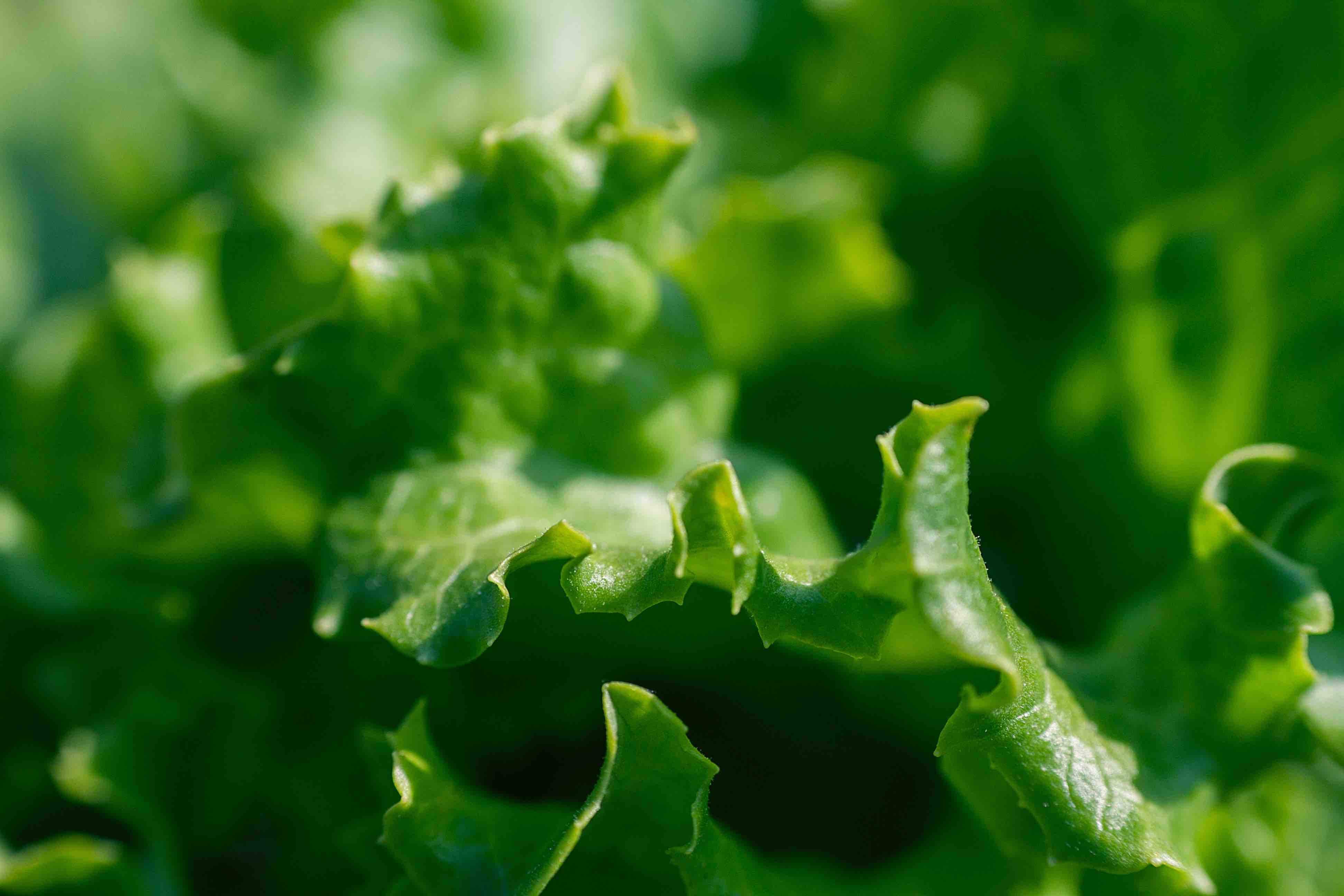 The U.S. is dealing with a large outbreak of E. coli O157:H7 associated with romaine lettuce, and a few states, including California, have been hit particularly hard. The initial announcement from the U.S. Centers for Disease Control and Prevention (CDC) regarding an outbreak of E. coli took place on April 10. As of the initial announcement, 17 individuals in seven states had been affected. Their illnesses had developed between March 22 and 31. Of those individuals, six had been hospitalized. One individual had been diagnosed with hemolytic uremic syndrome, which is a type of kidney failure and one of the more severe potential side effects of an E. coli infection. Since April 10, the outbreak has worsened.
Information as of April 25
The CDC reports that, as of April 25, 84 cases of E. coli infection have been linked to romaine lettuce produced in or around Yuma, Arizona. Individuals affected are spread across 19 states. There have been no deaths, though 42 people have been hospitalized and nine have developed hemolytic uremic syndrome. California has had 13 residents affected by the foodborne illness. The only state hit harder is Pennsylvania with 18 infected individuals.



 bags of “Raw Cashew Pieces” (barcode 00505154) may be contaminated with salmonella. Specifically, the store’s supplier alerted them to potential contamination in bags labeled “BEST BEFORE 07.17.2016TF4.” Although the initial alert suggests the bags were not sold in California, they were sold in neighboring states and it is still wise to check the packaging. Thus far, no illnesses have been linked to the nuts, but a
  California Supreme Court Rules in Organic Labeling Case
 Whether it’s to celebrate a special event, a way to spend time with someone you love, an opportunity to get to know someone new, or simply a chance to give the kitchen (and the family chef”) the night off, Americans love dining out. Restaurants can tantalize the taste buds with something new while connecting with our companions or with ourselves. Thanks in part to a network of health-related laws and regulations, dining out is usually a safe experience and typically the biggest health risk lies in overindulging. However, on occasion a restaurant meal leaves diners dealing with a