November 16, 2009

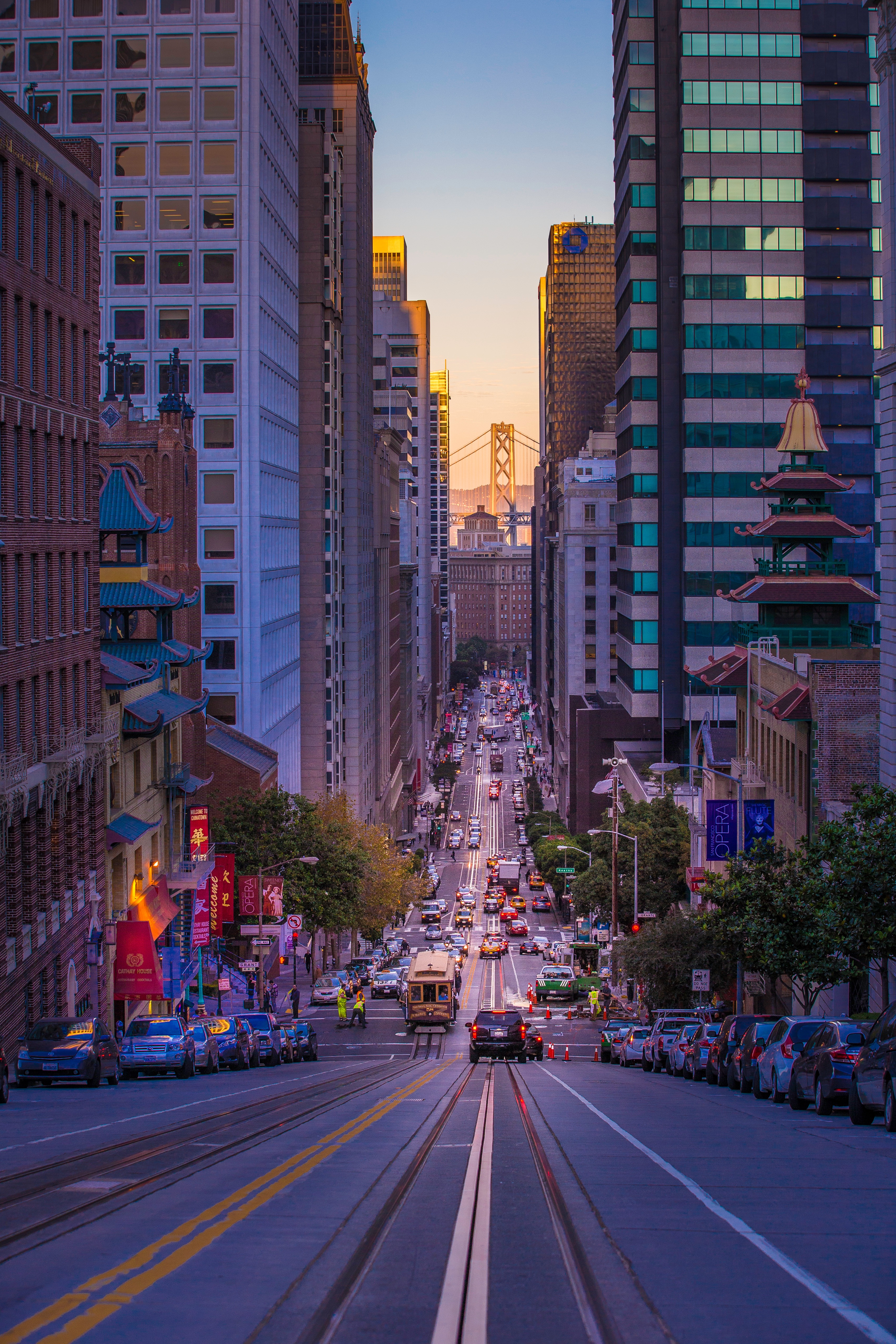
Imagining Traffic Calming in San Francsico

Here at the Brod Law Firm, we are big fans of Streetfilms.org, the video segment of the Livable Streets Initiative. Streetfilms produce short on-line videos, covering a range of topics from traffic calming in Paris to Sunday Streets in Bogata, also known as Ciclovia (an event after which San Francisco modeled its Sundaystreets). There is also video posted on Streetsblog that capture street confrontations, such as that between a New York City driver with a serious case of road rage and a pedicab simply trying to make his way through the congested city streets. We find all their videos entertaining and educational, giving us insight, while also keeping us in loop, into how our city compares to other cities in terms of the different ways a city can transform its streets into safe and sustainable places, for both vehicles and non-vehicles, as well as livable, vibrant places for social interaction.
The video on traffic calming in Paris we found especially interesting and inspiring. Some examples of their traffic calming strategies are: curbs are removed so that bikes, pedistrians and cars coexist; on the wider roads, bikes share lanes with buses and taxis; some crosswalks are raised, and cobblestone streets and neckdowns are implemented to slow oncomoing or turning traffic. Street calming is a powerful tool for changing behavior and improving safety, as it forces vehicles and cyclists and pedestrians to tolerate each other. And it is not just Paris, other cities, like Copenhagen, Demark, have been implemented extensive traffic calming techniques. Some cities go further to promote non-vehicle transportation, such as Curitiba, Brazil, where, on Rua XV de Novembro (15th of November Street), all vehicle traffic is blocked and only pedestrians are allowed.
Whenever we take on a new case where a cyclist or pedestrian has been injured by a vehicle, we are reminded that these accidents only reinforce San Francisco’s need for street transformation and street calming. In order for San Francisco to maintain a competitive edge in the global economy and its status as a world class city, it must implement, through education and marketing, strategies that place people over cars and reduce the convenience of driving a car. Advertising campaigns that show the burdens of owning a car in the city often outweigh the benefits can be an effective impetus for change. And we need not look to cities overseas for inspiration; cities here in the U.S., like Portland and Cincinnati, have done an excellent job developing and implementing techniques for traffic calming. If they can do it, then San Francisco can do it. These traffic calming techniques would not only benefit pedestrians and cyclists here in our beautiful city, they would also benefit the entire planet by reducing green house gas emissions.

October 6, 2009

October 7th, A Day to Consider the Pedestrians of San Francisco

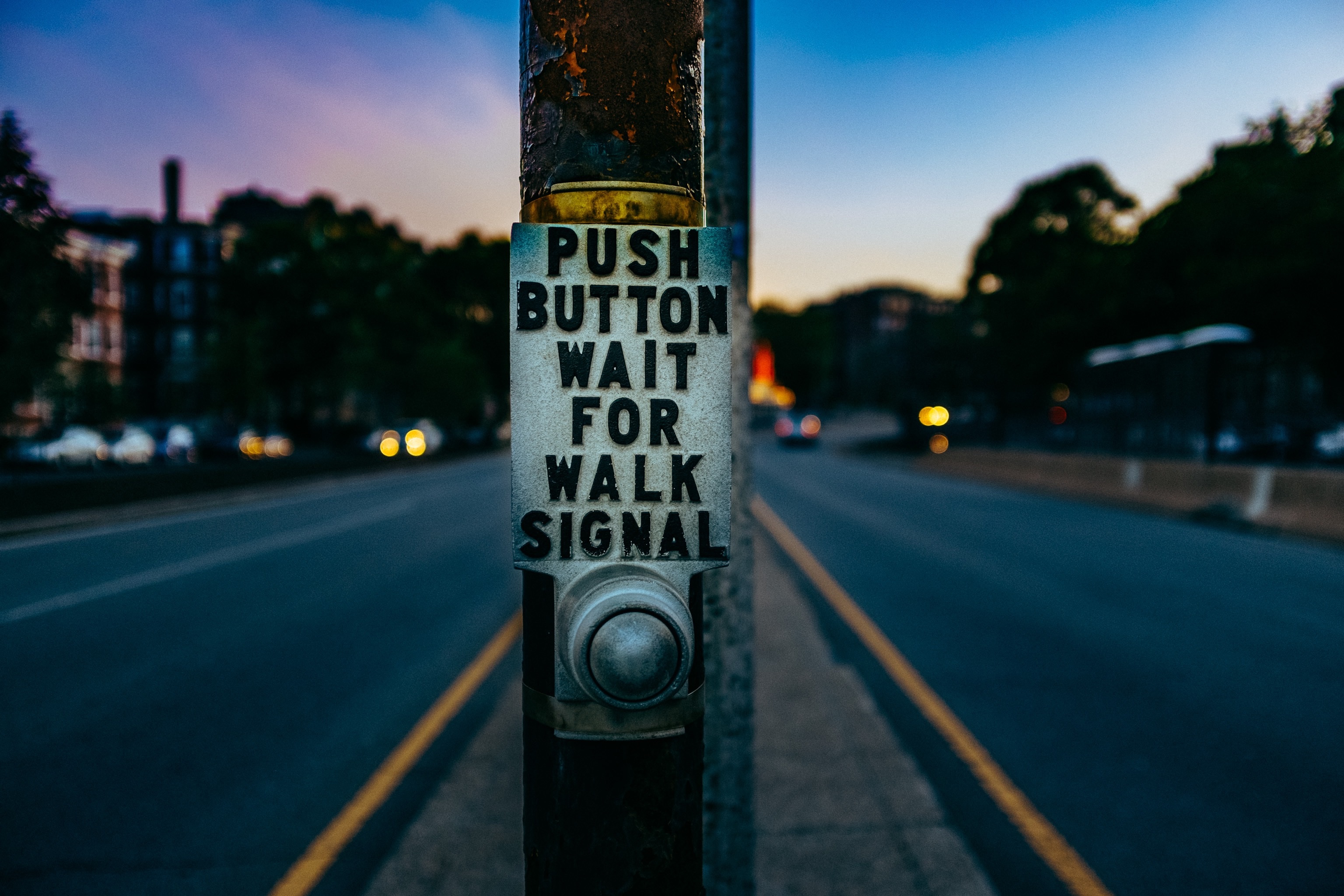
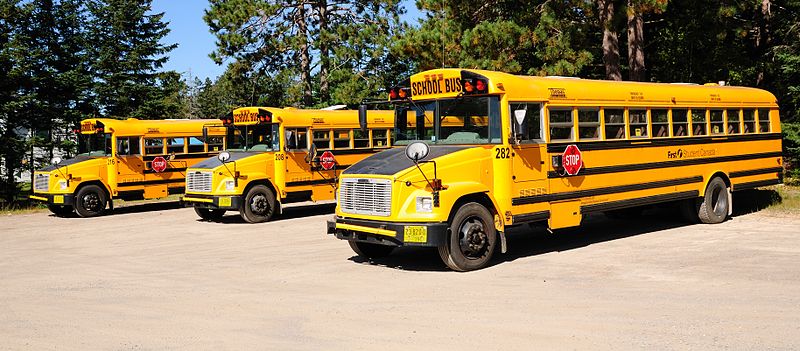
Tomorrow San Francisco will be joining cities from 42 countries around the world to celebrate International Walk to School Day. International Walk to School Day aims to create safe routes for pedestrians and cyclists and to emphasize the importance of issues such as increasing physical activity among children, reducing traffic congestion and crime in neighborhoods, raising concern for the environment, and building connections between families and schools and the broader community. The biggest challenge facing any pedestrian safety campaign will be to re-educate a culture so centered around and dependent upon using their cars to transport them every place. The US department of Transportation reports:
• On average, 5,000 pedestrians are killed each year.
• 85,000 pedestrians are injured every year.
• In a typical 8-hour workday, 4-5 pedestrians are killed.
• 190 pedestrians are killed every two weeks.
• Everyday about 232 pedestrians are injured.
• Of pedestrians killed, 60 percent are working adults, 23 percent are elderly person aged 65 or older, and 17 percent are children up to the age of 20.
Ever since the introduction of freeways and the creation of zoning laws, Americans have been forced to center their lives around the automobile and automobile ownership. As a consequence, we have forgotten that we are all pedestrians at some point in the day. David Goldberg, an official of Transportation for America, says that “freeways literally have separated the suburbs from the city… and zoning codes separate homes from shops, shops from workplaces, workplaces from schools and schools from neighborhoods.” Here at the Brod Law Firm, we know it won’t be easy sensitizing drivers to the fact that pedestrians are legitimate road users or educating pedestrians on minimizing the risks to their safety, but campaigns such as Walk to School Day are a great way for communities, here and around the globe, to start moving toward their goals. According to Walkscore.com, San Francisco is the most walkable city in America. We may have the most walkable streets(i.e., the city is sectioned by neighborhoods that each have their own grocery stores, restaurants, movie theaters etc., and the entire city is small enough that you can walk from end to the other), but we have yet to prove if they are the most pedestrian friendly (i.e., pedestrians are often injured at dangerous intersections).

September 21, 2009

The Seemingly Endless Conversation on the Need for San Francisco Street Safety and Improvements

Recently, friends from Europe stayed with me and my family. During their time here they spent their days touring San Francisco by bicycle. I asked them if they felt San Francisco was as bike friendly city as most European cities. They said that they felt drivers were really aware of bicyclists and looked out for them. But they felt that bus drivers were not very considerate, if not hostile, toward bicyclists. I explained how cyclists have fought hard, with the help of the San Francisco Bike Coalition (SFBC), educating motorists as well as buses on being both cautious and vigilant as they share the road with cyclists. At the same time, I also explained how some bicyclists seem to have less interest in following the vehicle rules of the road and believe that red lights and stop signs are meant only for motorists. My friends agreed with me when I pointed out that there is a victim attitude among some bicyclists who feel --because buses are bigger, and can kill bicyclist, and most streets are not designed for bikes-- that they are at a disadvantage on the road and should make their own rules. Bus drivers who encounter bicyclists with the victim attitude usually end up developing the same victim mentality and, as a consequence, ignore the safety of all cyclists. One might think there may never be a middle ground for bus drivers and bicyclists. Every story has at least two sides, though. The bottom line is this: If either bicyclists or bus drivers make their own rules on the road, that can, and usually does, lead to dangerous situations. But buses and bicyclists can coexist as long as bus drivers and motorists act professionally and bicyclists follow the rules of the road. Each year there are more bicyclists on the road, and everyone on the roads would follow the laws of the road, as well as use a little courtesy, our streets will be far less dangerous.
Since cyclists will be increasingly populating the roads and asking for more space in the years to come, we need, now, more than ever, the creation education campaigns that foster safety and respect among cyclists as well as bike network improvement projects that keep our city streets a safe place for all. There is good news. The SFBC has spent years planning and appearing at public hearings in an effort to get the city to implement improvements for cyclists and motorists on the road called the SF Bike Plan. This summer, 3 years after a lawsuit and injunction that barred any improvements and the city’s Bike Plan, the SFBC is celebrating their biggest victory: on June 26th, 2009 the San Francisco Municipal Transportation Agency voted to adopt their bicycle plan. Once the injunction is lifted, the vote gives a green light for 45 new bike lanes throughout the city. The plan also includes the implementation of on-street bike parking corrals, experimental colored pavement treatments and thousands of new bike racks. Another bit a good news for the SFBC is Mayor Gavin Newsom’s recent announcement that he will implementing a package of trial improvements to market street beginning September 29th, modeled on Projects for Public Spaces –which is in partnership San Francisco Great Streets Project and SFBC. As we collectively move forward during these planned changes, go safely and considerately out there, people!

April 14, 2009

Reflections on Bicycle and Pedestrian Accidents in San Francisco

May is approaching, and May is National Bike Month—a time for remembering that other people on the road are human beings. Staying aware of this fact can help us get where we’re going with more patience and less stress. This is a philosophy San Franciscans could benefit from as San Francisco strives to become a more bike and pedestrian friendly city. Here at the Brod Law Firm, we have dealt with many bike accident cases, cases usually involving drivers who at fault. Often the reason they are at fault is because they don’t have proper training or awareness driving or parking along city streets full of cyclists. While our community is waking up the fact that we must learn to coexist, we still have a way to go. Not only are bicyclists being injured in unnecessary numbers, but pedestrians are also being injuring at an increasingly alarming rate. For example, just last week, a man was dragged under a bus just after he stepped off of it. Logically speaking, if we became a community which was more bike friendly, it seems that we would also become a pedestrian and transit friendly city by default. If only we could follow the lead of Northern Europe, where children in such places as the Netherlands, Denmark and Germany all receive extensive training in safe and effective cycling techniques as part of their regular school curriculum—most of whom complete such a course before the fifth grade. Motorist training is in those countries is also more extensive as well. Heavy fines and points are placed a driver’s record for driving or parking in bike lanes, cutting off cyclists or otherwise endangering or inconveniencing them.

Thankfully, though, we have the San Francisco Bike Coalition, San Francisco’s de facto bicycling advocacy group. They have been instrumental in making riding conditions better for San Francisco bikers, drawing attention to pedestrian and cyclist safety and promoting the upsurge in bike friendly culture. They strive to show all of us on how to share the road. Their most important message is that motorists need to be aware of cyclists on the roadway and avoid endangering them, and vice versa. Portland, however, is the greatest example of what a bike and pedestrian friendly city in the United States should look like. One of the things they offer their community is a class called the Share The Road Safety Class. The class is a result of a partnership that began in 2006 when Multnomah county Judge, Christopher Larson, reached out to safety groups, such as Portland Police Bureau Traffic Division, the legacy Emanuel Trauma Nurses, Portland’s Bureau of Transportation, and other bicycle and pedestrian advocacy groups. All these groups have worked together to develop a training that addresses traffic laws, as well as inattention and intolerance on the road. It also puts special focus on ensuring the safety of cyclists, pedestrians and children. Most who participate in the class are there because they have been charged with a traffic violation. If participants successfully complete the Share the Road course, they are eligible for dismissal or a sentence of discharge, a conviction entered with no fine. Partners of the program hope that individuals will leave the class and share what they have learned with others at work and at home. With programs such as these in place, it is no wonder that Portland has zero cyclist fatalities, even as bicycle use is booming.

June 18, 2008

San Francisco Muni Accident – Drive on Cell Phone?

Last Saturday, (6/14/08), a San Francisco MUNI train crashed into another train in San Francisco, injuring 16 people, including the drivers of the two trains. It has been reported that at the time of the crash, a rear-end collision, the driver of the rear train was traveling nearly six times the speed limit, and did not slow down. MUNI investigators are now looking into whether or not the driver was on the cell phone at the time of the wreck. Although MUNI drivers usually communicate via their radios, after the accident, surveillance camera footage shows the driver of the rear train with a cell phone in hand, according to the San Francisco Chronicle.

My last few blog entries have discussed cell phone usage while driving, and new laws, some of which specifically address bus drivers using cell phones. Apparently, MUNI’s policy prohibits the use of cell phones while driving, which mirrors California law, however, for a policy to have any effect, it needs to be enforced. Drunk driving is also illegal and I would imagine MUNI has a policy against drivers showing up to work drunk, but unless someone is overseeing the drivers and enforcing the policy, it’s meaningless. San Francisco MUNI, as well as any other entity that is responsible for safely transporting passengers, needs to ensure its operators and drivers do not use or even carry cell phones on the job. There is no need for it, even in an emergency. The MUNI driver that caused the recent crash in San Francisco could have communicated over the train’s radio. If the radio didn’t work, I am certain that any one of the many passengers would have had a cell phone to use. The key to prevention of many accidents is avoiding distractions. If a bus driver or train operator does not have a cell phone while driving, there won’t be temptation to use it, it won’t ring, and there will be no added distraction in doing their job.